
- Home/
- Buy Doxycycline Online in the United Kingdom Fast and Secure
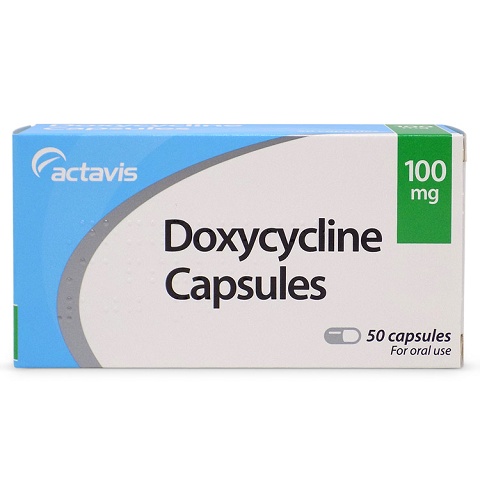
| Medicine Name | Doxycycline |
|---|---|
| Main Substance | Doxycycline hyclate |
| Intended Use | Treatment of bacterial infections |
| Strength Variations | 50 mg, 100 mg capsules or tablets |
| How quickly it works | Within 1–3 days of starting therapy |
| Effective Period | Active in the body for up to 24 hours per dose |
| How to take it | Usually once or twice daily; duration depends on infection |
| Food and Drink Considerations | Best taken with a full glass of water; some forms advised with food |
| Prescription Requirement | Prescription-only medicine in the UK |
Doxycycline: What to know before buying in the United Kingdom
Doxycycline is a prescription antibiotic commonly used in the UK for treating a broad range of bacterial infections. Its broad-spectrum activity makes it effective against many types of bacteria, and it is regulated by the Medicines and Healthcare products Regulatory Agency (MHRA). Legally available only with a valid prescription, Doxycycline plays an important role in modern infection management.
Why your infection is neither rare nor hopeless: the scale of the problem
Bacterial infections remain a leading cause for seeking medical attention in the UK. According to Public Health England, 2022, there were over 430,000 reported cases of common bacterial infections requiring antibiotic treatment, including respiratory tract, urinary tract, and skin infections. The World Health Organization (WHO, 2021) highlights that antibiotic use, including medications like Doxycycline, is essential for managing these illnesses, particularly as untreated infections can escalate into more severe complications. These figures demonstrate that if you are facing symptoms such as persistent fever, pain, unusual discharge, or skin changes, you are far from alone – and effective treatments are well-established in the UK.
How Doxycycline targets the infection: mechanism and what this means for you
Doxycycline works by blocking the bacteria’s ability to produce proteins needed for their growth and survival. In practical terms, this means the bacteria stop multiplying and begin to die off, allowing your body’s immune system to clear the infection more efficiently. For the patient, this typically translates to a reduction in symptoms such as fever, pain, and swelling within the first 48–72 hours after starting treatment. Unlike some antibiotics, Doxycycline is known for its ability to reach tissues throughout the body – which is why it is prescribed not only for chest and urinary tract infections, but also for more unusual conditions such as Lyme disease and acne. Its long half-life (time the medicine stays active in the body) allows for once or twice daily dosing, which can make adherence easier and reduce the likelihood of missed doses.
Is Doxycycline the right choice for your situation?
| Your Situation | Is Doxycycline Suitable? | Clinical Reason |
|---|---|---|
| You have been diagnosed with a respiratory, urinary, or skin infection and the doctor suspects a bacterial cause. | Yes, commonly prescribed. | Doxycycline is effective against a wide range of bacteria causing these infections. |
| You have a history of allergy to tetracycline antibiotics or significant liver disease. | No, alternative needed. | Risk of allergic reaction or further liver strain; a different antibiotic should be considered. |
| You are pregnant, breastfeeding, or under 12 years old. | Generally not recommended. | Potential risks to developing teeth and bones or effects on infants; other antibiotics are preferred in these groups. |
| You have been prescribed Doxycycline for prevention of malaria during travel. | Yes, if you are not in a high-risk group. | Doxycycline is used for malaria prophylaxis in travellers to certain countries. |
| Your infection is confirmed or suspected to be viral (e.g., cold, flu, COVID-19). | No, not effective. | Doxycycline only works against bacterial infections, not viruses. |
If your situation is not clear-cut, a discussion with your doctor or pharmacist is essential. This guidance helps you see where Doxycycline fits – and where it does not.
How to use Doxycycline effectively in daily life
- Timing: Take Doxycycline at the same time each day, as prescribed. Most regimens are once or twice daily.
- With or without food: Some people experience stomach upset; if so, taking with food is allowed, though absorption is best on an empty stomach for some conditions. Always swallow the capsule or tablet with a full glass of water, sitting or standing upright.
- Missed dose: If you forget a dose, take it as soon as you remember, unless it is near the time for your next dose. Do not double up to make up for a missed dose.
- Course length: Complete the full prescribed course, even if you feel better after a few days. Stopping early increases the risk of the infection returning and resistance developing.
- If it doesn’t seem to work: If your symptoms have not improved after 3–5 days, or if they worsen, contact your GP. Some infections require a longer course, a higher dose, or a different antibiotic.
- What is normal: Mild gastrointestinal symptoms (nausea, loose stools) can occur and do not mean the antibiotic is ineffective.
- What to avoid: Do not take Doxycycline at the same time as dairy products, iron, or antacids. These can reduce absorption and make the medicine less effective.
For less typical situations – such as vomiting soon after taking a dose, or developing a rash – consult your healthcare provider before taking further doses. Whenever in doubt, professional advice is preferable to guesswork.
Safety in detail: Who should not take Doxycycline?
- Children under 12 years: Not advised as Doxycycline can affect dental and bone development.
- Pregnancy and breastfeeding: Not recommended due to potential harm to the baby’s teeth and bone growth.
- Allergy to Doxycycline or related drugs: Contraindicated, as this can trigger severe allergic responses (e.g., skin rash, swelling, breathing difficulty).
- Severe liver dysfunction: Doxycycline is processed by the liver; existing severe liver problems can increase the risk of toxicity.
- Rare metabolic conditions (e.g., porphyria): Can worsen the condition.
If you are uncertain about any of these conditions, do not begin treatment until you have clarified your suitability with a healthcare professional.
Possible side effects: what is common, what is rare, what is a warning sign
- Frequent and usually mild: Nausea, mild diarrhoea, sensitivity to sunlight (photosensitivity), or mild abdominal discomfort. These often resolve without intervention.
- Less common but notable: Thrush (oral or vaginal), headaches, or visual disturbances. If these persist or bother you, speak to your GP.
- Rare but serious – seek urgent help: Severe skin reactions (blistering, peeling), difficulty breathing, swelling of the face/lips/tongue, or jaundice (yellowing of the eyes/skin). These could indicate a severe allergic reaction or liver issue and require immediate medical attention. Call 999 for emergency services in the UK if you develop any symptoms of anaphylaxis (sudden breathing difficulty, collapse, severe swelling).
Interactions with other medicines: What to check before starting
- Antacids, iron or calcium supplements: Reduce Doxycycline absorption if taken together; dose spacing is required (take Doxycycline at least 2 hours before or after these products).
- Blood thinners (e.g., warfarin): Doxycycline can alter blood clotting activity; frequent monitoring is advised if you are on anticoagulants.
- Other antibiotics: Some may interfere with Doxycycline’s action, particularly penicillins; combining is not generally recommended unless advised by a doctor.
- Seizure medications (e.g., phenytoin, carbamazepine): May lower Doxycycline levels, reducing its effectiveness.
Always provide your GP or pharmacist with a full list of current medications so that interactions can be managed proactively. If you are uncertain, a pharmacist can provide guidance on a walk-in basis.
Alternatives and how Doxycycline compares to them
| Antibiotic | Typical Use | Strengths | Limitations |
|---|---|---|---|
| Doxycycline | Chest, urinary, skin, tick-borne infections, acne, malaria prevention | Broad spectrum, convenient dosing, well tolerated | Not suitable for children, pregnancy, or severe liver disease |
| Amoxicillin | Respiratory, ear, and urinary tract infections | Widely used, safe in pregnancy/children | Ineffective against some resistant strains, higher allergy rates |
| Clarithromycin | Chest infections, skin infections, Helicobacter pylori | Alternative for penicillin allergy, can be used in pregnancy | Interactions with other medicines, some stomach side effects |
| Ciprofloxacin | Complicated urinary, some gastrointestinal and respiratory infections | Active against resistant bacteria | Use restricted due to potential tendon, nerve, and mental health effects |
Doxycycline is often a first-line choice for a broad range of infections where its safety profile and convenience are appropriate. However, the best antibiotic is always determined by the specific bacteria involved, patient age and health status, and local resistance patterns. For some situations, such as pregnancy or in children, other antibiotics are considered safer. If you are unsure whether Doxycycline or another antibiotic is most appropriate for your condition, your healthcare provider will make this decision based on up-to-date clinical guidelines.
Buying Doxycycline in the United Kingdom: price, process, and what to expect
| Cost item | Amount (GBP) | Note |
|---|---|---|
| Doctor or online consultation | £0–£50 | NHS GP is free; private/online ranges £20–£50 |
| Prescription charge | £9.65 per item | NHS England standard charge |
| Doxycycline (7–14 day course) | £3–£25 | Varies by pharmacy, strength, and brand (generic usually cheapest) |
| Delivery (if ordered online) | £0–£6 | Standard or express options; collection from pharmacy is free |
| Total | £12.65–£81.65 | From basic NHS scenario to full private online service |
Doxycycline can be obtained through NHS GPs (where you pay only the prescription charge) or through reputable UK online pharmacies, which require an online medical assessment for a prescription. The MHRA strictly regulates legal sales; avoid any seller not requiring a prescription, as these may not be safe or genuine products. Delivery time typically ranges from same day (in-person pharmacy) to 1–3 days (online). Always ensure the pharmacy is registered with the General Pharmaceutical Council (GPhC) and displays their logo.
Unresolved concerns: what else do patients ask?
- Can I drink alcohol while taking Doxycycline? Moderate alcohol does not usually interact directly, but heavy drinking can impair recovery and increase liver strain. It is generally best to limit alcohol during any antibiotic course.
- How soon can I expect to feel better? Most people notice improvement within 2–3 days, though some infections may take longer. If you feel worse or have no improvement after several days, seek a review.
- Can I buy Doxycycline without a prescription in the UK? No, it is illegal to buy Doxycycline without a prescription. Any website or supplier offering it without a prescription is operating outside UK law and may be unsafe.
- What if I take too much? Although serious overdose is rare, symptoms could include severe nausea, vomiting, or confusion. If you or someone else has taken more than prescribed and feels unwell, contact NHS 111 or seek emergency help.
- Why do I need a full course if I feel better? Stopping early allows surviving bacteria to multiply and can lead to antibiotic resistance or recurrence of infection.