
- Home/
- Buy Stromectol Online in the United Kingdom – Fast UK Delivery
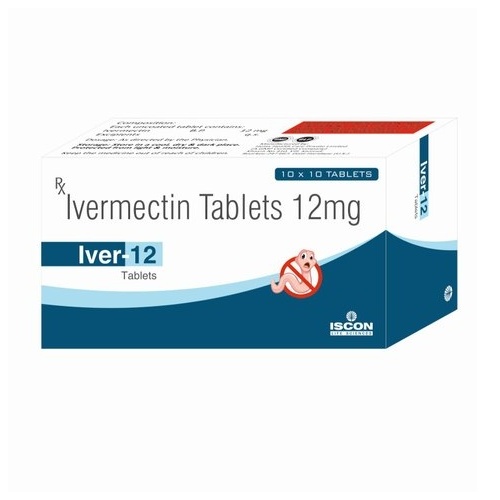
Can Stromectol (Ivermectin) Be Obtained Without a Prescription in the United Kingdom?
No, Stromectol (ivermectin) is a prescription-only medicine in the United Kingdom. It is not legally available for purchase without a prescription issued by a qualified UK healthcare professional. Self-purchasing or sourcing Stromectol without medical oversight is both illegal and unsafe.
Key Takeaways: Stromectol (Ivermectin) in the United Kingdom
- Stromectol is prescribed for specific parasitic infections only (e.g., strongyloidiasis, onchocerciasis), not for general viral illnesses or as an unproven remedy.
- A doctor’s prescription is always required in the UK, both for pharmacies and legitimate online suppliers.
- Improvement in symptoms often occurs within days of starting treatment for most approved uses, but full clearance may require repeat dosing or monitoring.
- Stromectol is generally well tolerated but can cause serious side effects in some patients; ongoing symptoms or adverse reactions require immediate medical attention.
- Counterfeit and unlicensed versions are common online; always obtain medication through regulated UK pharmacies.
- Consult your GP or infectious disease specialist if you suspect a parasitic infection or need ivermectin treatment. Do not self-diagnose or self-source Stromectol.
What Is Stromectol and When Is It Prescribed in the United Kingdom?
Stromectol is the brand name for the medicine containing ivermectin, an antiparasitic agent. In the United Kingdom, its use is strictly limited to conditions approved by the Medicines and Healthcare products Regulatory Agency (MHRA), usually under hospital or specialist care, or following guidance from the NHS or Public Health England.
Common UK-approved indications include:
- Strongyloidiasis (intestinal threadworm infection)
- Onchocerciasis (river blindness, not endemic in the UK but may affect returning travellers or immigrants)
- Occasionally for scabies or lice in situations where standard treatments have failed or are inappropriate, but only under specialist direction (NHS)
Stromectol is not a routine treatment for viral infections (including COVID-19) or for non-specific symptoms. Its off-label use is discouraged and not supported by the NHS or UK regulatory bodies as of 2026 (MHRA).
How Does Stromectol (Ivermectin) Work? Understanding the Mechanism of Action
Ivermectin, the active ingredient in Stromectol, is classified as a macrocyclic lactone antiparasitic. Its main mechanism involves binding to glutamate-gated chloride ion channels found in nerve and muscle cells of invertebrates (such as parasitic worms and mites). This binding:
- Opens chloride channels, causing an influx of chloride ions into cells,
- Leads to hyperpolarisation (increased negative charge inside cells),
- Results in paralysis and eventual death of the parasite.
In simple terms: Stromectol disables parasites by effectively “shutting down” their nerve and muscle cells, leading to their elimination from the body. It does not directly kill bacteria or viruses, nor does it have activity against human cells at recommended doses.
Importantly, human cells lack these specific glutamate-gated chloride channels, which is why the drug can be safely used—but only within the prescribed dose and patient population.
Expert Commentary: Where Patient Expectations and Clinical Reality Often Diverge
As a clinician, I’ve observed that many patients anticipate immediate relief from symptoms after a single dose of Stromectol, especially for skin conditions like scabies or lice. In reality, the improvement can be gradual, and visible results may lag behind the actual clearance of parasites. Some also believe that Stromectol is a “one-size-fits-all” antiparasitic, but it is highly condition-specific and not universally effective. I often find that patients overlook the importance of repeat dosing or follow-up testing, which can lead to incomplete treatment or recurrent infection. Patients rarely ask about potential interactions with other medicines—yet this is especially important. If you are prescribed Stromectol, be sure to discuss all your ongoing medications and expectations with your doctor to ensure safe and effective treatment.
How Should Stromectol Be Taken? Dosage Regimen and Administration
Stromectol is formulated as oral tablets, typically in a dose of 3 mg per tablet. Dosing regimens vary based on the type of infection, patient weight, age, and individual health status. The following is a general guide for typical indications—always follow your doctor’s instructions.
- Strongyloidiasis: Usually a single oral dose of 200 micrograms/kg; may require repeat dosing after two weeks in some cases.
- Onchocerciasis: Often a single dose of 150 micrograms/kg, repeated at intervals (every 6-12 months) if needed.
- Scabies (off-label, specialist use): Commonly 200 micrograms/kg as a single dose, repeated after 7-14 days.
Maximum dose: Generally, doses above 200 micrograms/kg are not recommended except in exceptional circumstances and under specialist care.
Tablet splitting: The 3 mg tablet can be split if required to achieve accurate dosing for lower body weights, but this should be done with a pill cutter to ensure precision.
Peak plasma concentrations are typically reached within 4 hours of oral administration, with symptom improvement varying depending on the type and severity of infection. Full eradication of parasites may take days to weeks, and sometimes follow-up laboratory testing is necessary.
How Food and Lifestyle Affect Stromectol Absorption and Safety
Stromectol should be taken on an empty stomach (at least 1 hour before or 2 hours after food), as fatty meals can increase absorption and may lead to higher risk of side effects (EMA).
- Fatty foods: Increase absorption and can raise blood levels unpredictably.
- Alcohol: Not strictly contraindicated but should be avoided during treatment, as it may increase side effects such as dizziness or liver strain.
- Grapefruit juice: Not specifically reported to interact with ivermectin, but as with many medications metabolised by the liver, it is prudent to avoid it unless directed otherwise by your specialist.
Always discuss with your healthcare provider if you are fasting, have dietary restrictions, or take supplements or herbal remedies.
Contraindications: Who Should Not Take Stromectol?
- Absolute Contraindications (Never Use):
-
- Known allergy or hypersensitivity to ivermectin or tablet excipients.
- Children under 15 kg body weight or under 5 years of age (safety not established).
- Relative Contraindications (Use with Caution):
-
- Significant liver disease: Ivermectin is metabolised in the liver; impairment increases risk of toxicity.
- Severe asthma: May trigger exacerbation in rare cases.
- Pregnancy and breastfeeding: Limited data; use only if benefit clearly outweighs risk and under specialist advice (NHS).
- Immunocompromised patients: May require additional monitoring or alternative regimens.
Patients with recent or active Central Nervous System disorders may be at increased risk for neurotoxicity and must inform their prescriber.
What Side Effects Are Most Common with Stromectol?
Stromectol is generally well-tolerated, but as with any medication, it can cause side effects. These are presented according to frequency and severity (EMC).
- Very common (>1/10): Dizziness, nausea, diarrhoea, mild skin itching (pruritus).
- Common (1/100 to 1/10): Headache, muscle pain, joint pain, fatigue, abdominal pain.
- Rare (1/10,000 to 1/1,000): Low blood pressure, skin rash, fever, lymph node swelling.
- Very rare (<1/10,000): Seizures, severe allergic reactions (anaphylaxis), liver enzyme changes.
Special notes:
- Mazzotti reaction: In patients with onchocerciasis, an immune response to dying parasites can cause fever, rash, joint pain, and low blood pressure; this is not a drug allergy but a reaction to parasite death.
- Symptoms such as persistent vomiting, confusion, shortness of breath, or loss of consciousness require immediate medical attention.
If you develop any new or severe symptoms, stop taking Stromectol and seek urgent medical advice.
Common Medication Mistakes Patients Make with Stromectol and How to Avoid Them
- Taking with food, especially fatty meals: This increases absorption unpredictably and may elevate side effect risk. Always take Stromectol on an empty stomach as directed.
- Stopping treatment early after symptom improvement: Some infections require more than one dose or follow-up evaluation. Never discontinue unless advised by a doctor.
- Ignoring specialist follow-up: Certain infections (like strongyloidiasis) require laboratory confirmation of cure; skipping follow-up increases relapse risk.
- Combining with unreported medicines or supplements: Drug interactions can be dangerous. Provide your prescriber with a complete medication list.
- Obtaining tablets from unlicensed sources: This greatly increases the risk of counterfeit or incorrectly dosed products.
- Not reporting new or serious side effects promptly: Early intervention can prevent complications.
How Does Stromectol Compare to Alternative Antiparasitics?
| Medicine | Active Ingredient | Indications (UK) | Typical Onset | Common Side Effects | Estimated Cost per Course (GBP) |
|---|---|---|---|---|---|
| Stromectol | Ivermectin | Strongyloidiasis, onchocerciasis, refractory scabies (off-label) | 1-2 days for symptom improvement | Dizziness, skin itching | £22-£50 |
| Albendazole | Albendazole | Many intestinal worms, neurocysticercosis, echinococcosis | 1-3 days | Abdominal pain, headache | £8-£30 |
| Mebendazole | Mebendazole | Threadworm, whipworm, roundworm, hookworm | 1-2 days | Abdominal pain, diarrhoea | £4-£12 |
Note: Albendazole and mebendazole are available over-the-counter for some indications in the UK, but Stromectol requires specialist prescription. Prices vary based on NHS coverage and pharmacy supply (NHS).
Stromectol: Key Technical Characteristics
| Parameter | Value |
|---|---|
| Active ingredient | Ivermectin |
| Tablet strengths available | 3 mg (standard UK formulation) |
| Formulation | Oral tablet, white to off-white, round, scored |
| Storage requirements | Store below 25°C, in a dry place, away from light |
| Prescription status (UK) | Prescription only |
| Maximum daily dose | Not to exceed 200 μg/kg unless specialist-directed |
| Metabolism | Primarily hepatic (CYP3A4 pathway) |
| Elimination half-life | ~18 hours (range 12-36 hours) |
Stromectol Compatibility Check: Medicines and Common Products
| Product Type | Can It Be Combined? | Consequences |
|---|---|---|
| Paracetamol | Yes | No significant interaction |
| Warfarin | With caution | Possible increased bleeding risk; monitor INR |
| Alcohol | No (not recommended) | Increased risk of dizziness, liver strain |
| Macrolide antibiotics (e.g., erythromycin) | With caution | May alter ivermectin metabolism |
| Herbal supplements | With caution | Unpredictable interactions; discuss with GP |
Step-by-Step: How to Obtain Stromectol Safely in the United Kingdom
- Initial Medical Consultation: Speak with your NHS GP or an infectious diseases specialist if you think you may have a qualifying parasitic infection.
- Clinical Assessment: The doctor will evaluate your symptoms, medical history, and possibly order laboratory tests to confirm the diagnosis.
- Prescription Issued: If Stromectol is appropriate, your doctor will issue a prescription electronically or in paper form.
- Licensed Pharmacy Dispensing: Present your prescription at a UK-registered community pharmacy or an NHS-affiliated online pharmacy. The pharmacist will check for interactions, issue the medication, and provide usage instructions.
- Follow-Up Care: Attend any recommended follow-up appointments or laboratory checks to confirm successful eradication of infection and to monitor for side effects.
Note: Some NHS Trusts may provide direct supply under specialist clinics, especially for onchocerciasis or imported infections.
How Is Stromectol Metabolised and Eliminated? (Pharmacokinetics Explained Simply)
After oral administration, ivermectin is absorbed in the intestine, with peak blood levels reached in 4 hours. It is primarily metabolised in the liver via the CYP3A4 enzyme pathway and then excreted mainly in the faeces (about 90%). Only a small fraction leaves the body via urine.
Half-life: Average half-life is about 18 hours in healthy adults (range 12–36 hours), meaning it takes this long for blood levels to reduce by half. The duration may be longer in people with liver impairment or the elderly. Complete elimination from the body may require several days.
This process is critical for patients taking other medications metabolised by the liver, or those with existing liver conditions, as this can affect both safety and efficacy.
Special Considerations for Specific Patient Groups
- Elderly: Generally tolerate Stromectol well, but may have reduced metabolism. Lower or adjusted doses may be necessary.
- Liver disease: Ivermectin is metabolised in the liver, so dosing must be carefully monitored; specialist supervision is essential.
- Renal impairment: Since most of the drug is excreted via faeces, patients with kidney disease do not usually require dose adjustment.
- Pregnancy and breastfeeding: Data is limited; use only if absolutely necessary and under specialist advice.
- Children: Not used in those under 15 kg or below 5 years old, unless under hospital supervision.
- Driving and machinery: Stromectol can cause dizziness or sleepiness in some people. Avoid driving or operating heavy machinery if affected.
- Fertility: No current evidence of negative effects on fertility, but further studies are ongoing (EMA).
Myth vs Reality: Stromectol and Unproven Uses
- Myth: Stromectol is a cure for all infections, including viruses.
- Reality: Its effectiveness is limited to certain parasitic infections, and it is not licensed for viral conditions such as COVID-19 in the UK.
- Myth: More frequent or higher doses provide quicker results.
- Reality: Overdosing increases risk of side effects without increasing effectiveness.
Quality Check: Authenticating Stromectol in the UK
Genuine Stromectol tablets in the United Kingdom are supplied in sealed blister packs or original pharmacy containers, with clear labeling including:
- Medicine name (Stromectol), strength (3 mg), and active ingredient (ivermectin)
- Manufacturer’s logo and batch number
- Expiry date and UK licence number (PL number)
- Patient information leaflet in English
Some manufacturer packs may include QR codes, holograms, or unique identifiers as part of the UK’s Falsified Medicines Directive (FMD) compliance.
Warning: Tablets that differ in colour (should be white/off-white), shape, or packaging, or are sold at prices significantly below UK market rates, may be counterfeit. Avoid any product lacking a UK PL number or supplied without a patient leaflet.
Original vs Generic Stromectol: What’s the Difference in the UK?
Since the original patent expired, generic versions of ivermectin are now available in the United Kingdom, approved by the MHRA. Generics contain the same active ingredient at the same dose and are clinically equivalent to branded Stromectol for all approved uses.
Advantages of generics: Lower cost, wider availability, and identical effectiveness if sourced through regulated UK pharmacies. Excipients (inactive ingredients) may differ; those with known allergies should check with the pharmacist.
How to Identify Counterfeit Stromectol or Unsafe Products
- Unusual packaging: Misspelled names, missing UK regulatory markings, or non-English leaflets are red flags.
- Absence of batch/lot number and expiry date.
- Tablets are a different colour, shape, or texture than described above.
- Suspiciously low prices or offers from websites without a UK pharmacy registration number.
- Lack of verification marks (QR code, hologram, or FMD-compliance identifiers).
If in doubt, consult your pharmacist before taking any medicine.
UK Safety Guide: Identifying Legitimate Online Pharmacies
- Check for General Pharmaceutical Council (GPhC) registration — the pharmacy should display its registration number and digital distance selling logo (GPhC).
- All online suppliers of Stromectol must require a valid prescription and offer pharmacist consultation if requested.
- Legitimate pharmacies list a UK address, landline phone number, and clear privacy/contact policies.
- Pharmacies registered with the NHS digital pharmacy scheme are safest.
- Never trust sites that:
- Offer Stromectol “no prescription needed”
- Sell products at prices much lower than UK average
- Have no pharmacist contact available
- Are based abroad with unclear supply chains
Counterfeit medicines can contain the wrong dose, no active ingredient, or harmful substances. If you suspect your medicine is counterfeit, report it to the MHRA Yellow Card Scheme (MHRA Yellow Card).
What Should I Do if I Take Too Much Stromectol? (Overdose Guidance)
- Stop taking Stromectol immediately.
- Call NHS 111 or 999 for urgent medical advice and state exactly how much was taken.
- Do not attempt to induce vomiting unless instructed by a medical professional.
- Keep the packaging and remaining tablets for the emergency team.
- Monitor for symptoms such as vomiting, confusion, severe dizziness, or visual disturbances.
Questions Patients Often Ask Their Doctor About Stromectol
- How long does it take to see improvement after starting Stromectol?
- For most parasitic infections, noticeable symptom improvement occurs within 1 to 3 days. However, some symptoms may persist longer, especially in skin conditions, as the immune system continues to clear parasite debris. Always attend follow-up appointments for confirmation of cure.
- Is it safe to use Stromectol if I have existing liver disease?
- Ivermectin is metabolised in the liver, so if you have liver impairment, your doctor will carefully assess the risks and may adjust your dose or consider alternative therapies. Always inform your healthcare provider about any liver issues before starting.
- Can I take Stromectol alongside other prescription or over-the-counter medicines?
- Many medicines can be safely combined with Stromectol, but some (like warfarin or certain antibiotics) require monitoring. Always provide your doctor and pharmacist with a full list of your medications and supplements.
- Will I need repeat doses or follow-up after taking Stromectol?
- Some infections require a second dose or laboratory follow-up to confirm eradication. Your doctor will advise based on your specific diagnosis and response to the first dose.
- Is it normal to experience itching or rash after starting treatment?
- Mild itching or rash can occur as parasites die off, especially with onchocerciasis. Severe or persistent symptoms should be reported to your doctor as they may indicate an allergic reaction or other complication.
- What if I accidentally miss a dose?
- Do not double the next dose. Take it as soon as you remember unless it is close to the time for your next scheduled dose. Contact your doctor for specific advice if you are unsure.
- Is Stromectol safe during pregnancy or breastfeeding?
- There is limited safety data for use in pregnancy and breastfeeding. It is only prescribed in these situations if the benefits outweigh the risks, and always under specialist supervision.
FAQ: Stromectol in the United Kingdom – Your Top Questions Answered
- Is Stromectol available without prescription in the UK?
- No. Stromectol (ivermectin) is classified as a prescription-only medicine and must be prescribed by a UK-registered healthcare professional for specified indications.
- How much does Stromectol cost in the UK?
- The estimated cost per treatment course ranges from £22 to £50, depending on the pharmacy and the precise regimen. NHS prescription charges may apply unless you are exempt.
- What are the most common side effects?
- Dizziness, nausea, diarrhoea, and mild skin itching. Most are temporary, but serious reactions should be reported immediately.
- Can Stromectol be used to treat COVID-19 or viral illnesses?
- No. As of 2026, Stromectol is not licensed or recommended for the treatment or prevention of COVID-19 or any viral illness in the UK.
- What should I do if I experience a severe reaction after taking Stromectol?
- Stop taking the medication, seek urgent medical attention, and bring the packaging and remaining tablets with you.
- Is it safe to buy Stromectol from online pharmacies?
- Only registered UK pharmacies with a valid GPhC registration and distance-selling logo are permitted to supply Stromectol online. Never buy from unregulated or overseas sources.
- Do I need to avoid any foods or drinks during treatment?
- Take Stromectol on an empty stomach. Avoid fatty meals and alcohol during treatment to minimise side effects and unpredictable absorption.
- Can I drive after taking Stromectol?
- Some people experience dizziness or drowsiness. Do not drive or operate machinery if affected until you know how Stromectol affects you.
- How long does Stromectol stay in my system?
- The average half-life is around 18 hours, but the drug and its metabolites may remain in your body for several days.
- Are generics as effective as the original Stromectol?
- Yes, MHRA-approved generic ivermectin tablets are clinically equivalent to branded Stromectol when dispensed by UK-registered pharmacies.
Stromectol Treatment: Support and Empathy
Parasitic infections can affect anyone, regardless of background or hygiene. If you are struggling with symptoms or feel anxious about your diagnosis, remember that successful treatment is possible with medical support. Discussing concerns with your doctor or a trusted partner can make the process less overwhelming. Psychological well-being is a vital part of overall health.
Clinical Assessment by doctor: Who Is Most Likely to Benefit from Stromectol?
In my clinical experience, Stromectol is most beneficial for patients with laboratory-confirmed parasitic infections where other therapies have failed, are not tolerated, or where the infecting organism is known to be sensitive to ivermectin. It is especially valuable in cases of strongyloidiasis among immunocompromised patients, where rapid and complete eradication is critical. However, it is not suitable for individuals seeking treatment for non-parasitic symptoms or as a “preventative” for viral illnesses, as evidence does not support its use in these contexts. Patients with significant liver dysfunction or those who may be pregnant require a more nuanced risk-benefit discussion, as the potential for harm increases. Alternative therapies such as albendazole or mebendazole may be preferable for certain worm infections, especially in paediatric patients or where ivermectin is contra-indicated. Treatment plans should always be tailored, with close follow-up to ensure both efficacy and safety.
References
- European Medicines Agency. Stromectol (ivermectin). https://www.ema.europa.eu/en/medicines/human/EPAR/stromectol
- Medicines and Healthcare products Regulatory Agency (MHRA). https://www.gov.uk/government/organisations/medicines-and-healthcare-products-regulatory-agency
- NHS. Ivermectin for parasitic infections. https://www.nhs.uk/medicines/ivermectin/
- Electronic Medicines Compendium (EMC). Stromectol Summary of Product Characteristics. https://www.medicines.org.uk/emc/product/450/smpc
- British National Formulary (BNF): Ivermectin. https://bnf.nice.org.uk/drugs/ivermectin/
- World Health Organization. Ivermectin: WHO Model List of Essential Medicines. https://www.who.int/medicines/publications/essentialmedicines/en/
- General Pharmaceutical Council (GPhC) Pharmacy Register. https://www.pharmacyregulation.org/
- PubMed. Recent clinical studies on ivermectin. https://pubmed.ncbi.nlm.nih.gov/?term=ivermectin