
- Home/
- Buy Nolvadex in Online Pharmacy for United Kingdom Customers
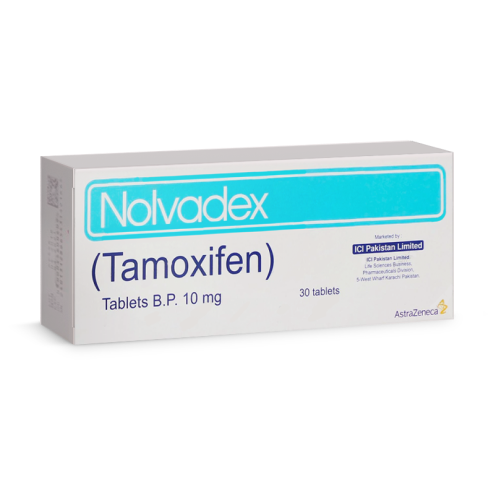
Nolvadex (Tamoxifen) in the United Kingdom: The Complete Guide for Safe Breast Cancer Therapy
Nolvadex at a Glance: Fast Facts for UK Patients
| Active ingredient | Tamoxifen |
|---|---|
| What it treats | Breast cancer (early, advanced), risk reduction in high-risk populations |
| Prescription status (UK) | Prescription only (POM) |
| NHS coverage | Yes, fully reimbursed for approved indications |
| Common dose | 20 mg once daily (varies by case) |
| Absolute contraindication | History of deep vein thrombosis or pulmonary embolism |
| Price (UK) | £2–£10 for 30 x 20 mg generic tablets (NHS prescription charge applies if not exempt) |
| Generic available? | Yes |
| Main side effect | Hot flushes, risk of blood clots |
| Suitable for men? | Yes, for certain breast cancers and other off-label indications |
Can I Get Nolvadex Without a Prescription in the UK?
Legitimate online pharmacies must require proof of a valid prescription and display the official EU Common Logo to verify authenticity. If a website offers Nolvadex without a prescription, it is likely selling counterfeit or unregulated products—posing significant health and legal risks.
How Does Nolvadex Work Against Breast Cancer?
- Scientific Mechanism (Prose):
- Nolvadex contains tamoxifen, a selective estrogen receptor modulator (SERM). In breast tissue, tamoxifen acts as an estrogen receptor antagonist. It binds to estrogen receptors on tumour cells, blocking the effects of oestrogen—a hormone that can stimulate the growth of many breast cancers (NHS). By doing this, Nolvadex slows or stops the division of cancer cells that depend on oestrogen.
- Biochemical Details:
-
Tamoxifen is metabolised in the liver to endoxifen and 4-hydroxytamoxifen, which have even higher affinity for estrogen receptors than the parent compound.
These metabolites competitively inhibit oestrogen binding to its receptor, preventing cell proliferation in hormone-sensitive tissue (EMA).
Visual Metaphor: Think of Nolvadex as a “lock blocker”—it sits in the keyhole of the cancer cell’s estrogen receptor, stopping the natural “key” (oestrogen) from unlocking rapid cell growth.
Importantly, tamoxifen may act as an agonist (oestrogen-like) in other tissues, such as bone and uterus. This dual behaviour explains some of the unique risks and benefits associated with Nolvadex therapy (see side effects and contraindications).
Does Nolvadex work immediately? No—therapeutic effects on tumour progression are typically seen over weeks to months, not instantly.
Expert Commentary from doctor
How to Take Nolvadex: Dosage, Timing, and Duration
| Disease/Indication | Typical Dose | Duration | Notes |
|---|---|---|---|
| Early breast cancer (adjuvant) | 20 mg once daily | 5–10 years | May be continued up to 10 years depending on recurrence risk |
| Metastatic breast cancer | 20–40 mg daily (once or in divided doses) | As long as there is clinical benefit | Higher doses rarely used; check with specialist |
| Risk reduction (primary prevention) | 20 mg once daily | Usually 5 years | For high-risk women only, under specialist advice |
Peak effect: Steady-state concentrations are achieved after about 3–4 weeks of daily dosing. Maximum cancer risk reduction is usually seen after several months of continued use.
- Tablet splitting: Most tamoxifen tablets (including Nolvadex) can be split if scored, but always check your specific brand and consult your pharmacist for advice.
- Maximum daily dose: Do not exceed 40 mg per day unless specifically instructed by your breast cancer specialist.
- Missed a dose? Take as soon as remembered, but skip if it’s almost time for the next dose—never double up.
Dosage adjustments may be needed for elderly patients or those with mild liver impairment. For severe hepatic impairment, specialist review is required.
Food, Alcohol, and Lifestyle: What Should I Know?
- Food absorption
- Nolvadex can be taken with or without food. However, taking it at the same time each day (e.g. with breakfast) helps with adherence and may reduce stomach upset. No evidence that fatty meals significantly delay absorption.
- Alcohol
- Moderate alcohol consumption (<15g/day, or roughly one unit) does not appear to interact strongly with Nolvadex. However, both alcohol and tamoxifen are metabolised in the liver—heavy or chronic alcohol use may increase liver toxicity risk (Cancer Research UK).
- Grapefruit and other interactions
- Unlike some other medicines, grapefruit juice does not significantly affect tamoxifen metabolism—but caution is warranted with all citrus juices if you have liver issues.
- Herbal supplements
- St John’s wort and other products affecting liver enzymes (especially CYP2D6) may reduce the effectiveness of Nolvadex. Always consult your healthcare provider before starting supplements.
Who Should NOT Take Nolvadex? Absolute and Relative Contraindications
| Type | Condition | Explanation |
|---|---|---|
| Absolute | History of deep vein thrombosis or pulmonary embolism (except when benefit outweighs risk) | Increased risk of blood clots due to tamoxifen’s partial oestrogenic activity |
| Absolute | Known hypersensitivity to tamoxifen or excipients | Risk of allergic reaction |
| Absolute | Concurrent use with coumarin-type anticoagulants in patients with a history of thromboembolic events | Dramatically increased bleeding risk |
| Relative | Severe liver impairment | Tamoxifen is metabolised by the liver; impaired function may increase toxicity |
| Relative | Pregnancy and breastfeeding | Potential harm to foetus and infant; tamoxifen is contraindicated in pregnancy |
| Relative | History of endometrial cancer or hyperplasia | Tamoxifen increases risk of uterine malignancy due to oestrogenic effect on uterus |
| Relative | Visual disturbances, cataracts | Rare cases of optic neuropathy and cataract progression reported |
Bottom line: If you have any of the above conditions, discuss with your specialist before starting Nolvadex. Never stop or start medication without professional advice.
What Side Effects Are Most Common with Nolvadex?
| Frequency | Side Effect | Mechanism | Advice |
|---|---|---|---|
| Very common (>1 in 10) |
Hot flushes | Reduced oestrogen effect in hypothalamus | Consider lifestyle measures; discuss alternatives if severe |
| Common (1 in 100 to 1 in 10) |
Vaginal discharge/bleeding | Oestrogenic effect on uterine tissue | Report persistent or unusual bleeding |
| Common | Leg cramps, muscle aches | Unknown | Usually mild and transient |
| Common | Nausea | GI irritation | Try taking with food |
| Uncommon | Blood clots (DVT/PE) | Partial oestrogenic activity in liver increases clotting factors | Seek immediate help for leg swelling, chest pain, shortness of breath |
| Rare | Endometrial cancer | Stimulation of uterine tissue | Report abnormal bleeding promptly |
| Very rare | Severe liver toxicity | Idiosyncratic reaction | Report jaundice, right upper abdominal pain |
| Very rare | Vision changes (retinopathy, cataracts) | Unknown | Routine eye exams advised during long-term treatment |
What to do if side effects occur: For mild symptoms, speak to your GP or oncology nurse. For signs of blood clots (pain, swelling, redness in leg; chest pain; breathlessness) or severe allergic reaction, call 999 or attend A&E immediately in the UK.
Common Patient Mistakes Observed by doctor
- Stopping Nolvadex without telling your doctor: Suddenly stopping can lead to cancer recurrence or progression. Always discuss concerns before ceasing treatment.
- Self-adjusting the dose: Taking a double dose after missing one increases side effect risk and does not improve effectiveness. Stick strictly to prescribed dosing.
- Ignoring warning signs of blood clots: Leg pain, swelling, or sudden breathlessness should never be ignored. Early intervention is crucial.
- Using over-the-counter or herbal supplements without disclosure: Many supplements alter tamoxifen’s metabolism, particularly through CYP2D6 enzyme. Always inform your care team.
- Buying from unregulated online sources: This risks exposure to counterfeit or substandard products, which may be ineffective or harmful.
- Assuming it’s safe in pregnancy or while breastfeeding: Tamoxifen is contraindicated in both—discuss contraception and pregnancy plans with your specialist.
How to avoid these mistakes? Open dialogue with your oncology team, keeping an up-to-date medication list, and sourcing medicines only from verified UK pharmacies.
How Does Nolvadex Compare With Other Breast Cancer Treatments?
| Drug | Active Ingredient | Onset of Action | Duration of Effect | Side Effects | Typical NHS Price (30 tablets) |
|---|---|---|---|---|---|
| Nolvadex | Tamoxifen | Weeks | 24–36 hours per dose; effect accumulates over months | Hot flushes, clot risk, uterine effects | £2–10 |
| Arimidex | Anastrozole | Weeks | 40–50 hours per dose | Joint pain, bone loss, less clot risk | £3–15 |
| Femara | Letrozole | Weeks | ~48 hours per dose | Joint pain, bone loss, less uterine risk | £3–15 |
Commentary: Tamoxifen remains the preferred drug in premenopausal women. Aromatase inhibitors (anastrozole, letrozole) are usually prescribed postmenopausally as they are more effective in that group but come with increased bone loss risk. All are available on the NHS at low cost.
How Is Nolvadex Processed in the Body? (Pharmacokinetics)
- Absorption
- Peak plasma concentrations occur 4–7 hours after oral dosing.
- Metabolism
- Liver enzymes (CYP2D6 and CYP3A4) convert tamoxifen to active metabolites (notably endoxifen).
- Half-life (T1/2)
- 5–7 days for tamoxifen; 14 days for endoxifen.
- Excretion
- Mainly via faeces; less than 10% in urine.
- Implications
- Slow elimination means side effects may persist after stopping. Dose adjustments may be needed in severe liver disease.
Myth vs Reality: Myth: “If I miss a day, it’s dangerous.” Reality: The long half-life provides a buffer, but regular dosing is still best for optimal effect.
Compatibility Check: Can Nolvadex Be Combined With Other Medicines?
| Product Type | Can it be combined? | Consequences |
|---|---|---|
| Warfarin (anticoagulant) | With caution* | Increased bleeding risk—monitor INR closely |
| SSRIs (fluoxetine, paroxetine) | Preferably NOT | May reduce tamoxifen effectiveness—select alternative antidepressant if possible |
| St John’s wort | No | Enzyme induction reduces tamoxifen’s effectiveness |
| Paracetamol, ibuprofen | Yes | No significant interaction |
| Oral contraceptives | No | Hormone interaction—use non-hormonal contraception |
| Aromatase inhibitors | No | Do not combine; use one or the other as per specialist guidance |
*Always consult your specialist if you are taking anticoagulants or have other chronic conditions.
Special Considerations for the Elderly and Those with Other Health Conditions
- Elderly (over 70): No specific dose adjustment required, but increased risk of blood clots and falls. Regular assessment of mobility and vascular health advised.
- Liver impairment: Dose reduction or specialist review recommended in severe cases. Monitoring liver enzymes advisable.
- Kidney disease: No dose adjustment needed for mild-moderate disease, but consult nephrology if severe.
- Driving and machinery: Nolvadex does not cause sedation, but rare visual disturbances may impair driving—advise extra caution if affected.
- Fertility: Tamoxifen is teratogenic—contraception is essential for women of childbearing potential, and therapy is generally not recommended during pregnancy.
Nolvadex vs. Generics: What’s the Real Difference?
- Active ingredient: Both original Nolvadex and generic tamoxifen contain the same active molecule.
- Excipients: Fillers and binding agents may vary—this rarely affects efficacy but can trigger allergies in rare cases. Always check the ingredient list if you have known sensitivities.
- Bioequivalence: Generics approved by the MHRA must demonstrate equivalent absorption and effect.
- Packaging: Generics may look different and use plain packaging; original Nolvadex often features blue-and-white branding.
- Price: Generics are considerably less expensive—on the NHS, price differences are negligible for patients.
Bottom line: For most patients in the UK, generic tamoxifen is equally effective and safe when sourced from a regulated pharmacy.
How to Recognise Original Nolvadex in the UK: Quality Assurance
- Packaging: Original Nolvadex comes in a sealed box with the AstraZeneca or original manufacturer’s logo, a clear expiry date, and batch number.
- Tablet appearance: Oblong or round, usually white, scored, and may have “NOLVADEX” or “20” impressed on one side.
- Official verification: UK prescription medicines carry a manufacturer’s leaflet, tamper-evident seal, and MHRA-compliant coding.
- New features (since 2024): Some packaging may include QR codes for instant online verification.
Tip: If packaging looks altered, information is missing, or price is “too good to be true,” check with your pharmacist or the MHRA counterfeits hotline.
Spotting Fakes: Counterfeit Risks in the UK and Online
- Unusually low price: If a website or seller offers tamoxifen for less than the typical NHS prescription charge (£9.65 as of 2026), be suspicious.
- No prescription required: Any supplier offering Nolvadex without a valid prescription is operating illegally in the UK.
- Packaging errors: Misspellings, faded logos, or incorrect batch numbers are red flags.
- EU Common Logo: Only buy online where you can see and verify this logo (Government Guidance).
What are generics? Approved generics are legitimate medicines (e.g., made by Accord, Teva, or Sandoz in the UK), but unbranded or imported “grey market” Nolvadex may be unsafe.
How to Obtain Nolvadex Legally in the UK: Step-by-Step Guide
-
Step 1: Consultation with a Doctor
Schedule an appointment with your GP or, for ongoing cancer care, your NHS breast cancer specialist. A diagnosis or ongoing indication (e.g., breast cancer or risk reduction) is required. -
Step 2: Prescription Issued
If appropriate, a prescription will be provided—either a paper script or sent electronically to your nominated pharmacy (EPS). -
Step 3: Pharmacy Dispensing
Visit any NHS or registered community pharmacy in your city—whether it’s Birmingham, Glasgow, or a rural area. Present your prescription for dispensing. -
Step 4: Online Pharmacy (Optional)
For convenience or repeat supplies, you can use a UK-based online pharmacy with the proper license. Always check for regulatory logos and verify the pharmacy on the General Pharmaceutical Council website. -
Step 5: Follow-up and Monitoring
Regular follow-up with your GP or breast cancer team is essential to monitor therapy, manage side effects, and adjust dosing.
Important: Never attempt to import Nolvadex from outside the UK, as customs will seize unregulated medicines and you may face legal consequences.
Questions Frequently Asked to doctor
- Q: What should I do if I miss a dose?
- doctor: Take your missed dose as soon as you remember—unless it’s almost time for your next scheduled dose. Don’t double up. Missing a single dose occasionally is unlikely to harm, but set reminders to keep adherence high.
- Q: Can I drink alcohol while on Nolvadex?
- doctor: Moderate alcohol (one small drink a day or less) is generally considered safe, but heavy drinking may strain your liver—especially during cancer treatment. If in doubt, keep alcohol to a minimum and discuss with your care team.
- Q: Will Nolvadex make me infertile or affect my periods?
- doctor: Tamoxifen may cause temporary changes to your menstrual cycle or induce periods to stop during therapy. It is not a contraceptive, and fertility often returns after stopping. However, it must not be used during pregnancy—discuss family planning with your oncologist.
- Q: How long will I need to take Nolvadex?
- doctor: Most breast cancer protocols recommend 5 years, sometimes extended to 10 years based on individual risk. Your oncologist will tailor the duration to your specific case and monitor you throughout.
- Q: Are there long-term risks to taking Nolvadex?
- doctor: The main long-term risk is an increased chance of blood clots and, rarely, uterine cancer. For most people, the benefits outweigh the risks—especially when monitored regularly by your breast cancer team.
- Q: What should I do if I develop leg pain or swelling?
- doctor: Seek medical help immediately—these could be signs of a blood clot, which require urgent attention.
- Q: Is it safe to use tamoxifen with my antidepressant?
- doctor: Some antidepressants (like paroxetine or fluoxetine) may reduce tamoxifen’s effectiveness. Always inform your doctor about all medicines you take so the safest combination can be chosen.
What to Do in Case of Overdose?
- Stop taking Nolvadex immediately.
- Call 999 or attend the nearest A&E department in the UK.
- Inform the medical team of the quantity and time of intake.
- Bring the packaging or prescription with you if possible.
- Do not induce vomiting unless instructed by medical personnel.
- Monitor for symptoms: unsteadiness, severe nausea, tremors, or confusion.
Note: Tamoxifen overdose is rarely fatal but may cause neurological symptoms, abnormal heart rhythms, and severe nausea. Prompt professional care is essential.
When Cancer Feels Overwhelming: Psychological Support and Next Steps
Professional Opinion of doctor
FAQ: People Also Ask About Nolvadex in the United Kingdom
- Is Nolvadex available on the NHS?
- Yes, tamoxifen (Nolvadex) is fully covered by the NHS for approved indications such as breast cancer and risk reduction in high-risk women.
- Can Nolvadex be used daily?
- Yes, standard therapy is one daily dose (usually 20 mg), taken at the same time each day.
- Do I need a prescription for Nolvadex in the UK?
- Yes, it is illegal to obtain Nolvadex without a prescription; pharmacy staff will require proof of a current script.
- What happens if I stop Nolvadex suddenly?
- Stopping suddenly may increase your risk of cancer recurrence or progression. Always speak to your doctor before making changes.
- Are side effects of Nolvadex permanent?
- Most side effects resolve after stopping, but rare complications (such as blood clots or uterine cancer) can have long-term consequences.
- Can men take Nolvadex?
- Yes, for specific types of male breast cancer or other specialist uses. Dosing and monitoring will be determined by your consultant.
- What should I do if my pharmacy runs out of Nolvadex?
- Ask about generic tamoxifen, as it is clinically equivalent. If all supplies are low, your GP or specialist can advise on alternatives.
Sources / References
- NHS. Tamoxifen for breast cancer. Accessed 2026. https://www.nhs.uk/medicines/tamoxifen/
- Medicines and Healthcare products Regulatory Agency (MHRA). Accessed 2026. MHRA homepage
- EMA. Nolvadex Summary of Product Characteristics. Accessed 2026. EMA Nolvadex
- Cancer Research UK. Tamoxifen. Accessed 2026. CRUK Tamoxifen
- NICE. Early and locally advanced breast cancer: diagnosis and management. NICE guideline [NG101]. Updated 2024. NICE NG101
- General Pharmaceutical Council. Register of Pharmacies. Accessed 2026. GPhC Register