
- Home/
- Buy Prednisolone Online in the United Kingdom Safely and Easily
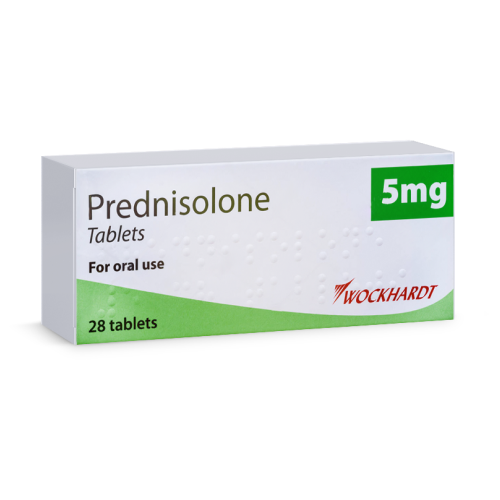
Prednisolone is a prescription medicine used in the United Kingdom to manage a range of inflammatory conditions—often when other options have failed or aren’t suitable. It’s powerful, fast-acting, and can be life-changing, but its benefits come with specific risks and rules. Before you start, know this: what matters most is not just the dose, but how long you take it—and how closely you and your doctor manage the side effects along the way.
The Prednisolone Decision: Why This Is a Pivotal Moment for Many Patients
“Is it time for steroids?” That’s not how the conversation starts in the GP’s office, but it’s often the subtext. Maybe it’s your asthma flaring despite inhalers, arthritis pain that paracetamol and ibuprofen can’t touch, or a skin rash spreading faster than you can cover it. Sometimes it’s your first real encounter with a medicine that’s both a lifeline and a last resort.
Prednisolone sits at a clinical crossroads. In the UK, it’s nearly always prescribed when other options for managing inflammation have not worked, or the stakes are simply too high to wait. GPs and specialists reach for it when the need to suppress inflammation—whether in your joints, lungs, bowels, or skin—outweighs the risks that come with its power. Only a few treatments can turn the tide of a severe flare as quickly as prednisolone. But no medication casts a longer shadow over a patient’s treatment journey.
“In practice, prednisolone is rarely a first choice for chronic problems. We only use it when the inflammation is severe, urgent, or unresponsive to standard therapies. But when it’s needed, nothing else works quite as fast or as reliably in those critical moments.”
Making the decision to start prednisolone is never just about the present symptoms. It’s about balancing rapid relief against risks that are sometimes invisible at first—bone health, infection risk, blood sugar, even mood. The patient’s lived experience is a series of trade-offs, and most will wonder at some point: “Is there another way?”
How Prednisolone Interrupts Inflammation—And Why That Matters in Real Life
Prednisolone doesn’t just mask symptoms. It actively interrupts the inflammatory process at its source, dampening the body’s immune response. For people with conditions like rheumatoid arthritis, inflammatory bowel disease, or severe asthma, this can mean the difference between daily misery and the return of normal life.
Mechanistically, prednisolone mimics the natural corticosteroids your adrenal glands make—only at higher, far more potent doses. It decreases the production of signaling molecules (cytokines), curbs immune cell activity, and reduces swelling at a tissue level. In practice, that means a swollen joint can become pain-free in a day or two, and a threatening asthma attack may reverse within hours.
- Speed: Prednisolone works faster than most oral medicines used for inflammation. Many patients feel improvement within 24–48 hours.
- Versatility: It treats a range of inflammatory diseases—joints, skin, lungs, gut, eyes—because it targets the pathway common to all of them: immune-mediated inflammation.
- Potency: It can control inflammation that resists nearly every other oral option prescribed in general practice.
The trade-off for this powerful anti-inflammatory effect is the breadth of prednisolone’s impact. Because it influences immunity throughout the body, it can’t be targeted only at the joints or skin or lungs. The whole system is affected, which is why side effects matter so much in day-to-day use, and why ongoing monitoring is non-negotiable.
Complicated Truths: Why Dosing Choices for Prednisolone Matter More Than Most Medicines
The right dose of prednisolone is never a fixed number. In the UK, dosing varies considerably by condition, urgency, and your own risk factors. For example, a child with newly diagnosed asthma might receive a short burst, while an adult with severe ulcerative colitis may need high doses over weeks—then a slow, carefully managed reduction.
Duration, not just amount, defines your risk of side effects. The longer you’re on prednisolone, the greater your chance of developing complications such as osteoporosis, diabetes, or adrenal suppression. That’s why British guidelines put such emphasis on using the lowest effective dose for the shortest possible time.
| Condition | Adult Starting Dose | Typical Course | Child Starting Dose |
|---|---|---|---|
| Acute Asthma (Adults) | 40–50 mg daily | 5–7 days, no taper needed | 1–2 mg/kg daily (max 40 mg); 3–5 days |
| Rheumatoid Arthritis Flare | 15–20 mg daily (taper as symptoms improve) | 1–4 weeks, taper as possible | Rare; paediatric use specialist only |
| Inflammatory Bowel Disease Flare | 40–60 mg daily | 2–4 weeks, then slow taper | Specialist advice, weight-based dosing |
| Severe Eczema | 20–40 mg daily | 1–2 weeks, then taper | Short course, rarely used |
What this means in practice: You will almost never see the same prednisolone dose for two different patients—even if their symptoms look similar. The key is to start high enough to control the inflammation, then reduce as quickly as your condition allows.
Which Side Effects Matter Most with Prednisolone—and When to Act
Every patient prescribed prednisolone in the UK hears about side effects. The reality is more nuanced: some are common but mild and reversible; others are rare but serious; a few can develop quietly, only to become a problem months or years later.
Some effects you might notice within days: mood swings, increased appetite, trouble sleeping, mild facial swelling (“moon face”). Others—such as blood sugar changes, thinning bones, or eye problems—are only seen with longer use or higher doses.
- Short-term use (under 3 weeks): Insomnia, increased appetite, mild mood changes. These usually resolve after stopping.
- Long-term or high-dose use: Weight gain, diabetes, high blood pressure, osteoporosis, cataracts, increased infection risk.
- Rare but urgent side effects: Sudden severe abdominal pain (may signal gut perforation), vision loss (possible glaucoma), psychiatric symptoms (psychosis, severe depression), serious infections.
Most of the time, your GP or specialist will monitor for these risks—ordering blood tests, blood pressure checks, and sometimes bone scans or eye exams if you need prednisolone for more than a few weeks.
| Side Effect | How Common? | Contact Doctor If… |
|---|---|---|
| Difficulty sleeping | Very common (over 30%) | Symptoms are severe or impact daily function |
| Weight gain | Common (10–20%) | Rapid or concerning increase, especially with swelling |
| Mood changes (anxiety, irritability) | Common (10–20%) | Severe, persistent, or include suicidal thoughts |
| Infection risk | Increased at all doses | High fever, persistent cough, or unusual symptoms |
| Blood sugar changes | Common in long-term use | Excessive thirst, frequent urination, confusion |
| Bone thinning (osteoporosis) | Common (>3 months use) | Unexpected bone pain or fracture |
| Eye problems (cataracts, glaucoma) | Uncommon, but risk increases with duration | Vision changes, eye pain, sudden loss of vision |
Most side effects are manageable or reversible if caught early. The key is to report changes promptly and never ignore symptoms, even if they seem minor.
Prednisolone vs. Alternative Treatments: The Real-World Differences
For many inflammatory conditions in the UK, prednisolone is only one piece of a crowded treatment landscape. Choices might include non-steroidal anti-inflammatory drugs (NSAIDs), disease-modifying antirheumatic drugs (DMARDs), or even biologics. What makes prednisolone stand apart is not just its mechanism, but the speed, power, and breadth of effect—balanced against risk.
| Attribute | Prednisolone | NSAIDs (e.g. Ibuprofen) |
DMARDs (e.g. Methotrexate) |
|---|---|---|---|
| Main Use | Acute, severe inflammation | Mild–moderate pain/inflammation | Long-term control, autoimmune disease |
| Speed of Action | 12–48 hours | 1–2 hours for pain, days for anti-inflammatory effect | Weeks to months |
| Effectiveness | Very high for short-term control | Variable; not disease-modifying | High for long-term disease suppression |
| Major Risks | Infection, diabetes, osteoporosis | Stomach ulcers, kidney issues | Liver toxicity, immunosuppression |
| Monitoring | Bloods, BP, bone health, eyes | Minimal | Regular bloods (liver, blood counts) |
| Prescription Rules (UK) | Prescription only | Some OTC, higher doses prescription | Prescription, specialist often initiates |
| Cost (to NHS patient) | Standard prescription charge | Low, sometimes free OTC | Standard charge, drugs reimbursed |
What this means in daily practice: prednisolone is your “emergency brake”—fast, broad, reliable when inflammation is winning. NSAIDs are for less severe, more predictable pain and swelling, but do not alter the course of most inflammatory diseases. DMARDs and biologics reshape the long-term landscape but take time to work, and require regular monitoring.
Getting Prednisolone in the United Kingdom: From GP to Pharmacy Counter
The journey to a prednisolone prescription in the UK starts with your GP or a hospital specialist. It’s not available without a prescription, and for good reason—the risks and monitoring requirements demand professional oversight. Most prescriptions are issued as part of a flare management plan, with clear instructions about duration and follow-up.
- Prescription rules: Prednisolone is classified as a Prescription-Only Medicine (POM) by the Medicines and Healthcare products Regulatory Agency (MHRA). No legal UK online pharmacy will sell it without a valid prescription.
- Dispensing: Nearly all community pharmacies carry prednisolone in several strengths. If your local branch does not have your dose, they can usually order it for next-day collection.
- Cost: Most patients pay the standard NHS prescription charge. Those with certain chronic conditions or under age 16/over 60 may qualify for free prescriptions (NHS Free Prescriptions).
Refills and repeat courses require medical review. If you are given a “rescue pack” for asthma or COPD, follow your self-management plan exactly and inform your GP each time you use it.
When Prednisolone Isn’t the Answer: Contraindications and Cautions
- You have a known allergy to prednisolone or any excipient in the tablet/liquid
- You have a current, untreated systemic fungal infection
- You have had severe steroid-induced psychiatric illness before (specialist advice needed)
Some conditions require extra caution or specialist input before starting prednisolone:
- Existing infections: Bacterial, viral (including chickenpox, shingles), or tuberculosis may worsen on prednisolone unless treated first.
- Diabetes: Blood sugars can be destabilised; more frequent monitoring and sometimes treatment adjustment are necessary.
- Osteoporosis or strong family history of fractures: Bone-protective strategies should be in place before beginning a course of more than a few weeks.
- Glaucoma or cataracts: Eye monitoring is especially important.
- Children, pregnant women, and elderly patients: Specialist advice is required due to increased vulnerability to side effects.
If you are unsure whether prednisolone is right for you, always discuss your full medical history and current medications with your prescriber. Never start or continue prednisolone without clear medical guidance if any of the above situations apply.
The Prednisolone FAQ: Questions Every Patient in the UK Asks (and Some They Should)
- Can I drink alcohol while taking prednisolone?
- Moderate alcohol consumption is not strictly prohibited, but it can increase the risk of stomach irritation, high blood pressure, and bone loss. For those on long-term or high-dose treatment, it’s sensible to limit alcohol and discuss with your doctor.
- Will prednisolone make me gain weight?
- Weight gain is a common side effect, especially with longer courses or higher doses. This is due to increased appetite and fluid retention. Strategies such as mindful eating, regular exercise, and limiting sugary foods can help mitigate the risk.
- How quickly will I feel better after starting prednisolone?
- Many patients notice improvement within 24–48 hours, especially in conditions like asthma, severe skin flares, or joint inflammation. If you do not feel any change after three days, contact your doctor for review.
- What happens if I miss a dose?
- If you miss a dose, take it as soon as you remember, unless it’s nearly time for your next dose. Never double up. If you miss several doses, speak to your doctor, especially if you are on a long-term course.
- Can I stop prednisolone suddenly?
- Do not stop abruptly if you have been taking prednisolone for more than three weeks or at high doses. Sudden withdrawal can cause adrenal insufficiency, a potentially serious condition. Always follow your doctor’s tapering plan.
- Why do I need to carry a steroid card in the UK?
- The ‘Steroid Treatment Card’ warns healthcare professionals that you are on, or have recently taken, corticosteroids. In emergencies, this information can be crucial, as your body may not respond to stress normally.
- Is it safe to have vaccines while on prednisolone?
- Most inactivated vaccines are safe, but live vaccines (such as MMR, BCG, shingles) are not recommended at high steroid doses or with long-term use. Your GP or specialist nurse will advise you on the best timing for immunisations.
- Are there generic versions of prednisolone available in the UK?
- Yes, nearly all prednisolone prescribed in the UK is now generic, and there is no difference in efficacy between brands. The only difference may be in tablet size or excipient content (rarely relevant unless you have a specific allergy).
- What monitoring do I need if I take prednisolone for longer than a few weeks?
- Regular blood tests (for glucose, electrolytes), blood pressure, weight, and sometimes bone density or eye checks are recommended. Your GP or specialist will tailor monitoring based on your condition and risk factors.
Sources / References
- Prednisolone: NHS Medicines A–Z
- Medicines and Healthcare products Regulatory Agency (MHRA)
- British National Formulary (BNF), Prednisolone, BMJ Group and RPS, Current Edition
- Oral Corticosteroids – Clinical Knowledge Summaries, NICE
- Free NHS Prescriptions: Who is Eligible?
- National Clinical Guidelines, Royal College of Physicians
- European Medicines Agency (EMA)
- Prednisolone (Oral Route), Mayo Clinic