
- Home/
- Buy Glucophage Without Prescription in the United Kingdom Online
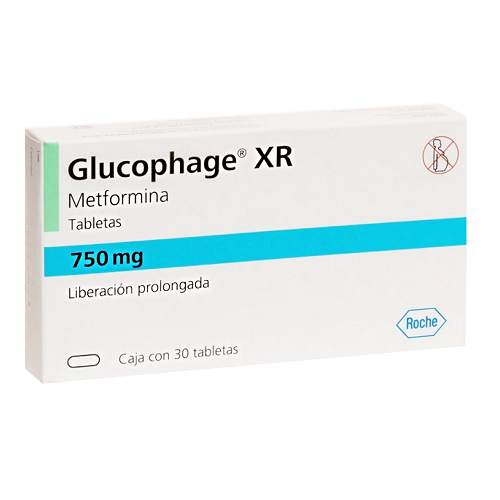
Glucophage (Metformin) in the United Kingdom: The Definitive Guide for Safe Use, Prescription, and Alternatives
Is Glucophage Available Without Prescription in the UK?
No, Glucophage (metformin) is classified as a prescription-only medicine in the United Kingdom. Purchasing or using it without a valid prescription is illegal and may put your health at risk.
By UK law, only a licensed healthcare provider can prescribe Glucophage following a face-to-face or approved online consultation. Any website or pharmacy in the UK offering Glucophage without a prescription is operating illegally and should be avoided due to the risk of counterfeit medicines (MHRA).
Key Takeaways: Glucophage at a Glance
- Active ingredient: Metformin hydrochloride
- Main use: Type 2 diabetes, sometimes polycystic ovary syndrome (PCOS)
- Prescription status: Prescription-only (POM) in the UK
- How it works: Reduces glucose production in the liver; increases insulin sensitivity
- Most common side effects: Digestive issues (nausea, diarrhoea)
- Absolute contraindications: Severe kidney or liver impairment, certain acute conditions (see below)
- Typical price: £1–£3 per week for generics (NHS prescription charge: £9.65 per item as of June 2026)
- Availability: NHS and private pharmacies, with prescription
How Does Glucophage Work? Mechanism, Metabolism, and Pharmacokinetics
Glucophage (metformin) is the first-line oral antidiabetic medicine recommended by the NICE for Type 2 diabetes management in the UK. Its primary mechanism is to suppress hepatic (liver) gluconeogenesis—that is, it decreases the liver’s production of glucose.
Metformin does not stimulate insulin secretion; instead, it:
- Improves muscle and fat tissue sensitivity to insulin
- Enhances uptake of glucose from the blood by peripheral tissues
- Reduces absorption of glucose from the gut
- Decreases production of glucose in the liver by inhibiting mitochondrial respiratory-chain complex I and activating AMP-activated protein kinase (AMPK) (PubMed, 2023)
Pharmacokinetics:
- Absorption: Oral bioavailability 50–60%; food can slow absorption
- Peak effect: 2–3 hours (immediate-release); up to 7 hours (extended-release)
- Metabolism: Not metabolised by the liver; excreted unchanged by the kidneys
- Elimination half-life: About 6.2 hours in healthy adults
Simplified metaphor: If blood sugar is like a leaking tap, metformin does not just mop up the puddle (like insulin), it tightens the tap (reduces liver glucose output) and helps pipes carry water away more efficiently (improves tissue sensitivity).
Expert Commentary from doctor
From my experience, the biggest misconception about Glucophage is that it’s a “sugar blocker” that works instantly. In reality, it takes several days or even weeks to reach full effect. Patients sometimes become discouraged if their blood sugar remains high in the first week, but that’s normal—patience is key. I often see people stopping the medicine prematurely due to mild digestive side effects; these usually fade after a week or two. Taking it with meals and starting on a low dose can help minimise problems. I always advise: never double a missed dose. Consistency matters more than perfection. Finally, remember: Glucophage is most effective when combined with healthy eating and regular activity.
How Should Glucophage Be Taken? – A Complete Dosing Guide
- Initial dose (adults):
- 500 mg once or twice daily with meals. Some patients may start with 850 mg once daily if well-tolerated.
- Maintenance dose:
- Usually 1500–2000 mg per day, split into 2–3 doses for immediate-release, or once daily for extended-release forms.
- Maximum daily dose:
- 2000–3000 mg depending on the specific product. Do not exceed 3000 mg/day under any circumstances.
- Elderly or those with kidney impairment:
- Lower starting and maintenance doses are recommended; regular kidney function monitoring is essential. The drug should be stopped if eGFR falls below 30 mL/min/1.73m² (NHS).
- Children (10+):
- Sometimes prescribed under specialist care, dosing must be tailored individually.
- Can the tablet be split?
- 500 mg, 850 mg, and 1000 mg immediate-release tablets can be split if scored. Extended-release (XR/slow-release) tablets must NOT be split or crushed.
How long until it works? Partial lowering of blood sugar can be seen within 48–72 hours, but maximum effect usually takes up to 2 weeks.
Food, Alcohol, Lifestyle: What Affects Glucophage?
| Factor | Impact on Glucophage | Advice |
|---|---|---|
| Food | Delays and reduces peak absorption; decreases stomach upset | Always take with or after meals |
| High-fat meals | May delay effect by up to 60 minutes | Take at the same time as a moderate meal |
| Alcohol | Increases risk of lactic acidosis (a rare but serious complication); can worsen hypoglycaemia when combined with other diabetes medicines | Avoid excessive alcohol; limit to ≤2 units/day for women, ≤3 units/day for men |
| Grapefruit juice | No significant interaction reported | Permitted in moderation |
| Exercise | Improves drug effectiveness | Stay active unless advised otherwise |
Bottom line: Taking Glucophage with food reduces stomach side effects. Alcohol is best limited, as combining with Glucophage can lead to rare but life-threatening lactic acidosis—especially in those with kidney or liver problems.
Who Should Absolutely NOT Take Glucophage?
| Absolute Contraindications | Relative Contraindications (Caution Required) |
|---|---|
|
|
Explanation: In severe kidney or liver impairment, Glucophage builds up in the body, increasing the risk of lactic acidosis—a potentially fatal complication. Always inform your doctor of any existing conditions before starting or continuing treatment.
What Side Effects are Common with Glucophage?
| Frequency | Side Effects | Mechanism |
|---|---|---|
| Very common (>1 in 10) | Nausea, diarrhoea, abdominal pain, loss of appetite, metallic taste | Direct irritation of gut mucosa |
| Common (>1 in 100, <1 in 10) | Vomiting, flatulence | Gut flora changes |
| Rare (>1 in 10,000, <1 in 1,000) | Lactic acidosis, decreased vitamin B12, skin rash | Metabolic, immune |
| Very rare (<1 in 10,000) | Hepatitis, urticaria (hives) | Immune-mediated or idiosyncratic |
What to do if side effects occur? Mild digestive symptoms often improve if you take the tablet with or after food. If you get persistent vomiting, muscle pain, severe abdominal pain, or fast breathing—seek urgent medical help: these could be signs of lactic acidosis.
Common Patient Mistakes Observed by doctor
- Stopping Glucophage abruptly when feeling well: This can cause blood sugar to rise again. Diabetes is a chronic condition; medicines like Glucophage need to be taken long-term unless advised otherwise.
- Doubling up after a missed dose: This increases risk of side effects, especially stomach upset. If you miss a dose, just take the next as scheduled—never double.
- Taking on an empty stomach: Increases risk of nausea and diarrhoea. Always take with or after meals.
- Drinking large amounts of alcohol: Raises risk of lactic acidosis. Even moderate drinking may not be safe if you have kidney or liver issues.
- Ignoring routine kidney function checks: Glucophage can be dangerous if kidneys are impaired, especially in older adults. Regular blood tests are vital.
- Confusing generics with counterfeits: Genuine generics are safe; unregulated imports are not. Buy only from NHS-approved pharmacies.
How Does Glucophage Compare with Other Diabetes Medicines?
| Drug (Brand/Generic) | Mode of Action | Onset Speed | Side Effects | Cost (per month, UK) | Prescription Needed? |
|---|---|---|---|---|---|
| Glucophage (Metformin) | Reduces liver glucose production; increases insulin sensitivity | 2–3 weeks for full effect | GI upset (very common), rare lactic acidosis | £4–10 (private); NHS Rx: £9.65/item | Yes |
| Sitagliptin (Januvia) | DPP-4 inhibitor; increases incretin activity | 1–2 weeks | Headache, respiratory infections | £35–45 | Yes |
| Gliclazide | Sulfonylurea; increases insulin secretion | Few days | Hypoglycaemia, weight gain | £2–6 (generic) | Yes |
| Empagliflozin (Jardiance) | SGLT2 inhibitor; increases glucose excretion by kidney | Few days | Urinary tract infections, dehydration | £35–45 | Yes |
Summary: Metformin (Glucophage) is usually the most cost-effective first choice in the UK, but alternatives may suit some people better, especially if metformin is not tolerated or contraindicated.
Questions Frequently Asked to doctor
- Can I drink alcohol while taking Glucophage?
- Small amounts (within UK guidelines: ≤14 units/week) are usually safe for most people, but heavy or binge drinking is strongly discouraged due to the risk of lactic acidosis, especially if you have kidney, liver, or heart problems.
- What happens if I miss a dose?
- Take the next dose at your usual time—never double up. Missing a single dose is unlikely to cause harm, but frequent missed doses reduce the medicine’s effectiveness.
- How long do I need to take Glucophage?
- Usually long-term, as Type 2 diabetes is a chronic condition. Your doctor may adjust treatment based on blood sugar control or side effects.
- Does Glucophage cause low blood sugar?
- Rarely, when used alone. The risk increases if combined with insulin or certain other diabetes medicines.
- Is Glucophage safe for people over 70?
- Often, yes, if kidney function is stable. Regular blood tests are needed to monitor for reduced kidney function or potential vitamin B12 deficiency.
- Can Glucophage help with weight loss?
- It may cause modest weight loss or prevent weight gain, but it is not a weight-loss medicine.
- Is it OK to take Glucophage with other medicines?
- Most blood pressure and cholesterol medicines are compatible, but always check for potential interactions with your doctor, especially when starting anything new.
Key Characteristics of Glucophage: Quick Reference Table
| Parameter | Value |
|---|---|
| Active ingredient | Metformin hydrochloride |
| Formulations available | Immediate-release, extended-release (XR) |
| Common strengths | 500 mg, 850 mg, 1000 mg |
| How supplied | Blister packs (14–56 tablets/pack); original packaging with batch number and expiry |
| Price (private) | £4–10/month; NHS prescription charge: £9.65/item (as of June 2026) |
| Legal status UK | Prescription-only (POM) |
| Maximum daily dose | 2000–3000 mg (varies by formulation) |
| Excretion | Kidneys (unchanged) |
How to Obtain Glucophage Legally in the UK: A Step-by-Step Guide
- Consult your GP or diabetes specialist: Either in person, via NHS 111, or through a registered online consultation service.
- Assessment and diagnosis: Your doctor will confirm if you need Glucophage, check kidney/liver function, and discuss lifestyle advice.
- Receive a prescription: Provided electronically (EPS), on paper, or via a private provider.
- Dispensing: Take your prescription to a local pharmacy (e.g., Boots, Lloyds, Superdrug) or use a registered UK online pharmacy (look for the EU common logo and MHRA registration).
- Medication supply and advice: Pharmacist will give you the medication and offer counselling. NHS prescriptions may be subsidised; private scripts are full price.
- Regular monitoring: Blood tests every 6–12 months to check kidney function, vitamin B12, and glucose control.
Tip: Never purchase from websites offering Glucophage without a prescription or with prices “too good to be true.” These are often fake and can be dangerous.
Is It Legal to Buy Glucophage Online in the UK?
Buying Glucophage from a UK-based online pharmacy is legal only if:
- The pharmacy is registered with the MHRA.
- You have a valid prescription from a UK-registered medical professional.
- The pharmacy displays the required green EU “distance selling” logo.
Importing Glucophage from outside the UK (or EU post-Brexit) without a prescription or from unregistered websites is illegal and may result in customs seizure, fines, or exposure to counterfeit medicines.
Myth vs Reality: Myth: “All online pharmacies are the same.” Reality: Only those regulated by the MHRA and requiring prescriptions are safe and legal.
How to Spot Counterfeit Glucophage and Understand Generics
- Blister packs with “Sanofi” clearly printed and batch/expiry details
- Box with MHRA license number and UK-specific leaflet
- Consistent font, QR code or hologram (if new packaging), and English-only instructions
- Tablets loose in bags, faded printing, spelling errors
- Prices far below UK pharmacy rates
- Non-UK language leaflets or unregistered logos
- No batch number or expiry date
Generics vs Originals: NHS-approved generics (e.g., metformin by Teva, Aurobindo, Accord) are as effective as branded Glucophage, undergo strict quality control, and are much cheaper. Excipients (non-active ingredients) may vary—if you are allergic to any ingredient, check with your pharmacist.
Compatibility Glucophage with Other Medications and Products
| Product Type | Can it be combined? | Likely Consequences |
|---|---|---|
| Aspirin | Yes | No significant interaction |
| Statins (e.g., simvastatin) | Yes | Generally safe; rare muscle effects |
| Insulin | Yes, under supervision | Risk of hypoglycaemia increases |
| Ibuprofen | With caution | May affect kidneys; monitor if used long-term |
| Blood pressure medicines | Yes | Monitor for kidney side effects |
| Alcohol | Limit use | Risk of lactic acidosis if excessive |
| Herbal supplements | Unknown | Discuss with your GP before use |
Always inform your doctor and pharmacist of all medicines and supplements you take to avoid potential interactions.
What to Do in Case of Glucophage Overdose?
- Stop taking the medicine immediately.
- Call NHS 111 or 999 (emergency services) for urgent medical advice.
- Tell healthcare staff exactly how much was taken and when.
- Watch for warning signs: severe nausea, vomiting, abdominal pain, rapid breathing, confusion—these can indicate lactic acidosis.
- Do not try to treat an overdose at home.
Important: There is no specific antidote for metformin overdose. Hospital treatment may include supportive care and possibly haemodialysis.
Glucophage in Special Patient Groups: Elderly, Pregnancy, Kidney Disease
- Elderly (over 65): More sensitive to side effects. Kidney function must be checked before starting and at least yearly afterwards.
- Pregnancy: Not routinely recommended, but may be continued under specialist advice, particularly for gestational diabetes. Insulin is usually the first choice.
- Breastfeeding: Small amounts pass into breast milk. Discuss risks and benefits with your healthcare provider.
- Kidney disease: Contraindicated if eGFR <30 mL/min/1.73m². Lower doses and regular monitoring required if eGFR 30–45.
- Liver disease: Generally not recommended due to increased risk of lactic acidosis.
- Driving and operating machinery: Glucophage does not cause hypoglycaemia by itself and does not affect driving ability. Caution if combined with other diabetes medication that can lower blood sugar.
- Fertility: No evidence that metformin impairs fertility; may be used in women with PCOS to induce ovulation.
Professional Opinion of doctor
In my clinical judgement, Glucophage (metformin) remains the most effective and widely used first-line medication for adults with Type 2 diabetes in the UK. It offers proven cardiovascular safety, a low risk of hypoglycaemia, and modest benefits for weight control. The greatest benefit is seen when combined with lifestyle changes—diet and physical activity. However, it is not a cure and does not work overnight; most people need several weeks for full effect, and it must be taken consistently. There are situations where alternative medicines are preferred, such as marked kidney impairment or intolerance to metformin’s gastrointestinal side effects. I weigh the risks of lactic acidosis carefully, especially in the elderly or those with multiple health conditions. For the majority, however, the benefit-risk profile is highly favourable. Metformin generics provide the same efficacy as branded Glucophage and are cost-effective. My advice: always use under medical supervision and never source medicines from unofficial suppliers.
Psychological Support: You’re Not Alone
Living with Type 2 diabetes or PCOS can be challenging, and it’s normal to feel anxious or frustrated at times. You are not alone—many people in Manchester, London, Glasgow, and across the UK take Glucophage as part of their daily routine. If you find yourself struggling, talk to your GP, a diabetes nurse, or seek support from organisations like Diabetes UK. Speaking openly with family or friends can make a real difference.
Frequently Asked Questions about Glucophage in the UK
- Is Glucophage available over the counter in the UK?
- No, it is prescription-only.
- How quickly does Glucophage lower blood sugar?
- Some effect in 2–3 days, but maximum benefit takes up to 2 weeks.
- What should I do if I experience diarrhoea on Glucophage?
- Take with food and talk to your doctor; symptoms often improve over time.
- Can Glucophage cause vitamin deficiencies?
- Rarely, it may reduce vitamin B12. Your GP may check levels if you’ve been on it for years.
- Is it safe to buy Glucophage online?
- Only from registered UK online pharmacies and with a prescription.
- Can I stop taking Glucophage once my blood sugar is controlled?
- No, it is usually needed long-term unless advised by your doctor.
- Are generics as good as original Glucophage?
- Yes, if sourced from an NHS-approved pharmacy.
- What is the NHS prescription charge for Glucophage?
- £9.65 per item as of June 2026, unless exempt.
- Can Glucophage be used in children?
- In some cases, yes—from age 10, but only with specialist advice.
- Does Glucophage interact with contraception?
- No known interactions with most contraceptives, but always check with your healthcare provider.
References
- National Institute for Health and Care Excellence (NICE). Type 2 diabetes in adults: management. https://www.nice.org.uk/guidance/ng28 [Accessed June 2026]
- NHS Medicines A–Z: Metformin. https://www.nhs.uk/medicines/metformin/ [Accessed June 2026]
- Medicines and Healthcare products Regulatory Agency (MHRA). https://www.gov.uk/government/organisations/medicines-and-healthcare-products-regulatory-agency [Accessed June 2026]
- Diabetes UK. https://www.diabetes.org.uk/ [Accessed June 2026]
- Rena G, Hardie DG, Pearson ER. The mechanisms of action of metformin. Diabetologia. 2017;60(9):1577-1585. https://pubmed.ncbi.nlm.nih.gov/28608032/
- Sanofi. Glucophage 500mg Tablets – Summary of Product Characteristics (SPC). https://www.medicines.org.uk/emc/product/1046/smpc [Accessed June 2026]
- National Health Service (NHS) Business Services Authority. Prescription Charges. https://www.nhsbsa.nhs.uk/help-nhs-prescription-costs/prescription-charges [Accessed June 2026]
- PubMed: Metformin review 2023. https://www.ncbi.nlm.nih.gov/pmc/articles/PMC10168612/
Final note: For safe and effective use of Glucophage in the UK, always consult your GP, diabetes nurse, or a registered specialist before starting or changing your medication. Never obtain Glucophage from unlicensed sources. Genuine NHS prescription or an MHRA-registered online pharmacy is the only reliable route. If you have further questions, see your local healthcare provider or diabetes team.