
- Home/
- Buy Clomid at Low Price in United Kingdom
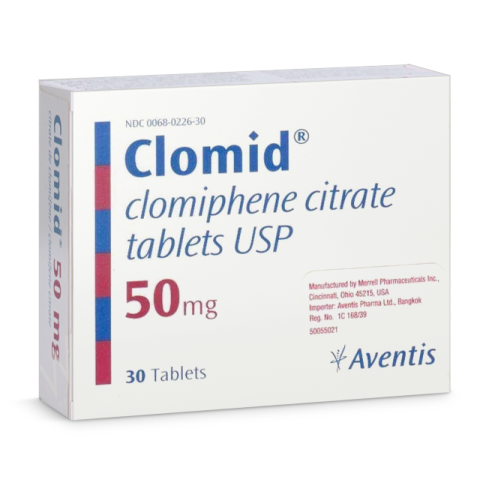
Quick Summary: Clomid in United Kingdom
| Parameter | Detail |
|---|---|
| Active Ingredient | Clomifene (also spelled Clomiphene) |
| Main Use | Female infertility due to ovulation disorders |
| Common Brand(s) | Clomid, Omifin, generic clomifene citrate |
| Prescription in UK | Prescription only – legal requirement |
| Standard Starting Dose | 50 mg daily for five days (see section below) |
| Most Common Side Effect | Hot flushes |
| Approximate Cost (NHS/private) |
NHS: typically covered if prescribed as part of a fertility programme; Private: £12–£35 per 10-tablet pack (as of 2026) |
| UK Regulator | Medicines and Healthcare products Regulatory Agency (MHRA) |
| Pharmacy Dispensing | Only with a valid UK prescription |
Do I Need a Prescription for Clomid in United Kingdom?
No, you cannot obtain Clomid without a valid prescription in the United Kingdom. Clomid (clomifene citrate) is regulated by the MHRA and classed as a “Prescription Only Medicine” (POM). Attempting to purchase or import Clomid without a prescription is illegal and may result in your product being seized by customs or legal consequences.
NHS GPs in the UK do not typically prescribe Clomid for fertility unless you are under the care of a specialist fertility clinic. Private clinics may offer prescriptions after appropriate assessment. Telemedicine options exist but must be operated by a licensed UK provider and always require a proper consultation.
Direct answer: Clomid can only be obtained legally in the UK with a doctor’s prescription after a medical assessment.
How Does Clomid Work in the Body?
Clomifene citrate acts as a selective oestrogen receptor modulator (SERM). In simple terms, it “tricks” the brain’s pituitary gland into thinking oestrogen levels are lower than they really are. This leads to increased secretion of two key hormones: follicle-stimulating hormone (FSH) and luteinising hormone (LH). These signals stimulate the ovaries to develop and release eggs (ovulation).
Mechanism (in detail): Clomid binds to oestrogen receptors in the hypothalamus, blocking the normal negative feedback from circulating oestrogen. As a result, the pituitary gland ramps up production of FSH and LH, which act directly on the ovarian follicles. This is especially useful in conditions such as polycystic ovary syndrome (PCOS) or unexplained anovulation, where ovulation is absent or irregular.
Metaphor: Think of Clomid as taking the “mute” off your body’s natural signal for egg release. It helps your body shout “time to ovulate!” when it has been whispering or silent before.
Pharmacokinetics: Clomifene is well-absorbed after oral administration, metabolised in the liver, and excreted mainly in faeces. The average half-life (time for half the drug to leave the body) is 5–7 days, but can be longer in some women due to different metabolism rates [PubMed].
Myth: Clomid always results in ovulation in every woman.
Reality: Clomid is effective for many, but not all women with infertility. Some people may require higher doses, alternative drugs, or other interventions.
Expert Commentary from doctor
In my experience, one of the most common misunderstandings about Clomid is the timeline for its effects. Many patients expect to conceive immediately after the first course, but in reality, it may take several cycles to achieve pregnancy, even if ovulation resumes. It’s crucial to monitor ovulation (using ultrasound or hormone tests) rather than guessing based on symptoms. Another point: Clomid is not suitable for all types of infertility—tubal or severe male factor infertility requires different strategies. I strongly advise women to seek clear guidance from a reproductive medicine specialist before starting treatment. Adherence to the prescribed course, regular follow-up, and open communication with your treating team make a tremendous difference.
How Should Clomid Be Taken? Dosing and Instructions
The typical starting dose in the UK is 50 mg orally once daily for 5 consecutive days, usually beginning on day 2, 3, 4, or 5 of the menstrual cycle (as advised by your fertility specialist). If ovulation does not occur, the dose may be increased in subsequent cycles to a maximum of 100–150 mg daily for 5 days. The maximum recommended dose is 150 mg per day.
- Do not exceed 3–6 cycles of use in total, due to increased risk of side effects, including ovarian cysts and rare ovarian cancer association with prolonged use.
- Tablets are typically swallowed whole with water. Most formulations can be split if needed, but only do so if advised by your doctor.
- Missed a dose? Take it as soon as you remember, unless it is almost time for your next dose. Do not double up.
- Always follow the exact regimen prescribed by your fertility clinic, as individual circumstances vary.
What Should I Know About Food, Alcohol, and Lifestyle with Clomid?
| Substance | Effect/Advice |
|---|---|
| Food | No clinically significant impact on absorption. Can be taken with or without food. |
| Fatty meals | May slow absorption slightly, but not enough to require adjustment. |
| Grapefruit juice | No evidence of significant interaction, but caution is advised as grapefruit affects some medicines metabolised by the liver. |
| Alcohol | No direct interaction, but alcohol is best avoided during fertility treatment. It can affect hormone balance and pregnancy prospects. If you choose to drink, limit to no more than 1 unit per day (e.g., half a pint of beer or a small glass of wine). |
| Smoking | Reduces fertility and may decrease Clomid effectiveness. Quitting is strongly recommended. |
Who Should Not Take Clomid? Detailed Contraindications
- Absolute Contraindications (never use):
-
- Liver disease (active or history of severe liver dysfunction)
- Unexplained abnormal vaginal bleeding (must be investigated first)
- Ovarian cysts (other than those related to polycystic ovary syndrome)
- Pituitary or hypothalamic tumours
- Pregnancy (Clomid must not be used if already pregnant)
- Known hypersensitivity to clomifene or excipients
- Relative Contraindications (use with caution and specialist supervision):
-
- Polycystic ovary syndrome (risk of ovarian hyperstimulation, so requires expert monitoring)
- Endometriosis
- Fibroids
- History of thrombosis or blood clotting disorders
- Women over age 40 (risk–benefit must be assessed)
- Breastfeeding (not recommended; no data on safety)
What Side Effects Are Most Common With Clomid?
Clomid is considered safe in short courses and under medical supervision, but side effects are common. According to NHS data and recent reviews:
- Very common (>1 in 10): Hot flushes, abdominal discomfort, bloating
- Common (1 in 100 to 1 in 10): Nausea, headache, breast tenderness, visual disturbances (blurred vision, flashes)
- Uncommon (1 in 1000 to 1 in 100): Mood swings, depression, insomnia, dizziness
- Rare (<1 in 1000): Ovarian hyperstimulation syndrome (OHSS), ovarian cyst rupture, hair loss, rash
- Very rare (<1 in 10,000): Severe visual loss, liver toxicity, seizures, thromboembolic events
Common Patient Mistakes Observed by doctor
- Not confirming ovulation before continuing cycles. Some patients take repeated courses without checking if ovulation occurred—wasting time and exposing themselves to unnecessary risks. Always monitor ovulation as advised by your fertility clinic.
- Taking Clomid “just in case” during irregular cycles. Self-medicating or using leftover tablets from a friend is dangerous and illegal in the UK. Only use as prescribed and under supervision.
- Doubling doses after a missed tablet. This increases risk of side effects without increasing benefit. Never double up—skip and move on if needed.
- Ignoring severe side effects. Some patients continue despite vision changes or severe pain, risking permanent harm. Report severe symptoms at once.
- Using Clomid for male infertility or bodybuilding. Off-label use for male infertility or as a performance enhancer is not supported by robust evidence and may have serious side effects.
- Believing Clomid guarantees pregnancy. Even if ovulation resumes, pregnancy rates per cycle are only 15–20% on average (NHS).
How Does Clomid Compare to Alternatives?
| Drug | Onset | Success Rate (per cycle) | Major Side Effects | Duration (effect) | Price in UK (per cycle) |
|---|---|---|---|---|---|
| Clomid (Clomifene) | 5–10 days after last dose | 15–20% | Hot flushes, visual symptoms, OHSS (rare) | One menstrual cycle | £12–£35 |
| Letrozole | 5–10 days after last dose | 17–27% | Hot flushes, fatigue, joint pain | One menstrual cycle | £10–£20 |
| Gonadotrophin Injections (FSH/LH) | Within days | 20–30% | OHSS, multiple pregnancy, injection site pain | One menstrual cycle | £400–£1200 |
Comment: Clomid remains first-line for many women due to its affordability and oral route, but letrozole is increasingly used for PCOS and may have higher pregnancy rates. Gonadotrophins are more effective in some cases but much more costly and require close monitoring.
Questions Frequently Asked to doctor
- 1. Is it safe to use Clomid for several cycles?
- Clomid is usually considered safe for up to 3–6 cycles under specialist supervision. Longer use is not recommended due to risks such as ovarian cysts and, rarely, tumours. Each cycle should be evaluated for effectiveness.
- 2. What happens if I miss a dose?
- Take the missed dose as soon as you remember, unless your next dose is due soon. Never double up. Missing a single dose is unlikely to ruin your cycle, but try to stick to the schedule.
- 3. Can I drink alcohol while on Clomid?
- Alcohol does not directly interact with Clomid, but it can worsen side effects (such as hot flushes) and may decrease your chances of conceiving. It is best to limit or avoid alcohol during fertility treatment.
- 4. Can men take Clomid for fertility?
- While sometimes prescribed off-label for male infertility, the evidence for effectiveness is limited and it is not licensed for this use in the UK. Men should not take Clomid without specialist advice.
- 5. Will Clomid affect my daily life—can I drive or work?
- Most women can drive and work as usual. However, if you experience visual disturbances or dizziness, avoid these activities until symptoms resolve.
- 6. Are there any interactions with common medications?
- Clomid has few significant interactions. However, it should not be used alongside certain hormone therapies or in women with a history of liver disease. Always inform your doctor about all medicines you take, including over-the-counter or herbal products.
- 7. Can I get pregnant with twins on Clomid?
- Yes, Clomid increases the risk of multiple pregnancies (twins or more) compared to natural conception. The risk is about 7–10% per cycle.
Clomid Key Characteristics Table
| Parameter | Value |
|---|---|
| Active ingredient | Clomifene citrate |
| Formulation | Oral tablet (usually 50 mg) |
| Usual course length | 5 days |
| Peak effect | 5–10 days after last dose |
| Half-life | 5–7 days |
| Metabolism | Liver |
| Excretion | Mainly via faeces |
| Max cycles recommended | 6 |
| Prescription required? | Yes (UK law) |
How to Obtain Clomid Legally in United Kingdom: Step-by-Step
- Step 1: Consultation with a Fertility Specialist
Book an appointment with an NHS or private fertility clinic. GP referral may be required for NHS clinics in cities like London, Manchester, or Glasgow. - Step 2: Assessment and Investigations
Undergo blood tests, scans, and sometimes partner evaluation to confirm Clomid is suitable for your condition. - Step 3: Prescription Issued
If approved, your fertility doctor will provide a UK prescription (paper or electronic). - Step 4: Dispensing at a Pharmacy
Take your prescription to a local or online UK-registered pharmacy. Confirm that the pharmacy displays the official MHRA logo for online medicines. - Step 5: Follow-up and Monitoring
Attend all follow-up appointments to monitor ovulation and side effects.
Is it Legal to Purchase Clomid Online in United Kingdom?
Yes, but only from UK-registered online pharmacies and only with a prescription. The MHRA requires all online pharmacies to display an official green cross logo and be listed on their register. Buying from sites that do not require a prescription or operate from overseas is illegal and risky.
- Online purchase with prescription from a licensed UK pharmacy: Legal
- Online purchase without prescription (including “no prescription needed” sites): Illegal and unsafe
- Importing from abroad for personal use: Not allowed for prescription medicines
How to Identify Counterfeit Clomid in United Kingdom
- Original UK Clomid comes in sealed blister packs, with batch number, expiry date, and manufacturer clearly printed.
- Genuine packaging includes a patient information leaflet in English and may have a QR code or hologram for authentication.
- Warning signs of counterfeits: Misspelled words, faded or unclear font, missing batch codes, unusually low price, or lack of UK pharmacy label.
- Medicines bought from unlicensed online sellers are frequently fake, with wrong doses or dangerous fillers.
- Tablet size, shape (usually round, white), and engraving match leaflet or photo on UK pharmacy website.
- Packaging is undamaged, with intact seal and English instructions.
- QR code (if present) leads to official manufacturer verification page.
Original vs Generic Clomid: Which is Better?
Since the original Clomid patent expired, several licensed generics (such as Omifin, Clomifene tablets by Zentiva) are available in the UK. Both original and generics contain the same active substance and are held to identical MHRA quality and efficacy standards.
- Generics: Usually less expensive, with different packaging or tablet appearance. May contain different inactive ingredients (“excipients”), but these are tested for safety. Ask your pharmacist about possible allergies to excipients.
- Original Clomid: Same effect, higher price, sometimes preferred if excipient allergy suspected.
Bottom line: Generic Clomifene is just as effective and safe as branded Clomid in the UK when supplied by a reputable pharmacy. This offers a substantial cost saving.
Does Clomid Affect Different Patient Groups?
Women with PCOS: Clomid is a mainstay therapy but may be less effective and carry a higher risk of ovarian hyperstimulation. In such cases, letrozole may be preferred.
Older women (>40 years): Lower success rates, higher risks (including multiple pregnancy). Specialist input essential.
Women with liver disease: Clomid is contraindicated due to reliance on liver metabolism.
Women with visual issues: Avoid or discontinue if visual side effects develop.
Driving and machinery: Most women can carry out normal activities, but if you experience blurred vision or dizziness, avoid driving or operating machinery until symptoms resolve.
Family planning: Discuss with your doctor if you only want to have a single child, as Clomid increases risk of twins or higher-order multiples.
Compatibility of Clomid with Other Medicines and Products
| Product Type | Can Be Combined? | Possible Consequence |
|---|---|---|
| Paracetamol, Ibuprofen | Yes | No significant interaction |
| Combined oral contraceptives | No | Blocks ovulation induction |
| Hormone replacement therapy | No | Interferes with action |
| Metformin | Yes | Sometimes used together in PCOS |
| Alcohol | Yes (with caution) | May reduce fertility, worsen side effects |
| Herbal supplements | Caution | Potential unknown interactions |
Overdose: What To Do
- Stop taking Clomid immediately.
- Contact NHS 111 or seek emergency care.
- Inform the healthcare professional of the dose and timing taken.
- If possible, take the medicine packaging with you.
- Do not attempt to induce vomiting unless instructed by a medical professional.
Psychological Support and Normalisation
Infertility is a common and stressful condition—about 1 in 7 couples in the UK experience difficulties conceiving (NHS). Clomid is one option among many and does not define your worth or future. Many women need several cycles and support from partners, family, or counselling. If you feel overwhelmed, don’t hesitate to seek support from a fertility counsellor or support group.
Professional Opinion of doctor
Clomid is a well-established and effective first-line therapy for many women with ovulatory infertility, especially those with polycystic ovary syndrome or irregular cycles. In my practice, most women tolerate the medication well, and monitoring ovulation helps maximise success while minimising risk. However, it is not a magic bullet—success rates per cycle are modest, and not all women will benefit. Risks such as multiple pregnancy or ovarian hyperstimulation must be weighed carefully, particularly in women over 35 or with underlying health issues. For some, newer alternatives like letrozole or injectable gonadotrophins may offer higher success or fewer side effects. Ultimately, treatment should be individualised and only pursued under qualified medical supervision.
FAQ
- Can Clomid be used daily for more than five days?
- No. Clomid is prescribed for five days per cycle. Longer or continuous use increases risk of side effects and is not standard practice.
- How quickly does Clomid start working?
- Ovulation usually occurs 5–10 days after the last tablet in a course, but timing varies.
- Is Clomid available on the NHS?
- Yes, but only as part of approved fertility treatment programmes and usually after referral to a fertility clinic.
- Can I order Clomid from abroad if it’s cheaper?
- No. Importing prescription-only medicines for personal use is illegal in the UK and carries significant risks.
- What is the typical price of Clomid in the UK?
- About £12–£35 for a course from a private pharmacy. NHS costs are typically covered for eligible patients.
- What should I do if I experience side effects on Clomid?
- Mild side effects often resolve after finishing the course. Severe or persistent symptoms require prompt contact with your clinic or NHS 111.
- Can Clomid cause twins or triplets?
- Yes. The risk of twins is approximately 7–10%, and higher-order multiples are rare but possible.
- Is Clomid safe in women with a history of breast cancer?
- Generally, Clomid is not recommended in women with a history of hormone-dependent cancers.
References
- British National Formulary. Clomifene. Accessed March 2026. https://bnf.nice.org.uk/drug/clomifene-citrate.html
- NHS Choices. Infertility – Treatment. Accessed March 2026. https://www.nhs.uk/conditions/infertility/treatment/
- Medicines and Healthcare products Regulatory Agency (MHRA). Accessed March 2026. https://www.gov.uk/government/organisations/medicines-and-healthcare-products-regulatory-agency
- National Institute for Health and Care Excellence (NICE) Guideline NG156: Fertility problems. Accessed March 2026. https://www.nice.org.uk/guidance/ng156
- National Library of Medicine. Clomiphene. Accessed March 2026. https://www.ncbi.nlm.nih.gov/books/NBK547731/
- European Medicines Agency (EMA). Clomifene. Accessed March 2026. https://www.ema.europa.eu/en