
- Home/
- Buy Lasix Online in the United Kingdom – Fast UK Delivery
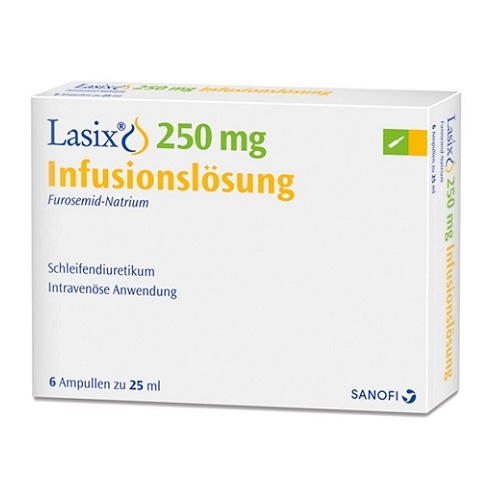
Can Lasix be obtained without a prescription in the United Kingdom?
Lasix (Furosemide) is a prescription-only medicine in the United Kingdom. It cannot be legally obtained without a valid prescription from a qualified healthcare provider. Over-the-counter sales are prohibited by UK law.
Key Takeaways About Lasix in the United Kingdom
- Lasix is prescribed mainly for fluid overload (oedema) caused by heart, liver, or kidney conditions.
- It works quickly—often within an hour—and is especially useful when rapid fluid removal is needed.
- A prescription is mandatory in the UK; self-medicating can be dangerous.
- The most important safety risk is dehydration and abnormal blood salt levels, which can be life-threatening without monitoring.
- Lasix may not be suitable for everyone; a doctor will decide if it’s appropriate after reviewing your health status and other medications.
- If you feel unwell or notice side effects during treatment, seek medical advice promptly.
Who should consider Lasix for oedema?
Lasix (Furosemide) is primarily prescribed to adults and, in some cases, children with oedema (fluid overload) due to congestive heart failure, liver cirrhosis, kidney disease (such as nephrotic syndrome), or other causes where rapid fluid removal is clinically indicated. In the UK, it is also sometimes used, under specialist supervision, for severe hypertension that is not controlled by other means.
The decision to initiate Lasix is always made by a doctor, usually a general practitioner or specialist (such as a cardiologist or nephrologist), after carefully weighing the risks and benefits for each individual patient.
How does Lasix work in the body?
Lasix’s active ingredient, Furosemide, is classified as a loop diuretic. It acts by specifically inhibiting the sodium-potassium-chloride (Na+-K+-2Cl–) co-transporter in the thick ascending limb of the loop of Henle in the kidney. This blockade reduces reabsorption of sodium and chloride ions, leading to increased excretion of these electrolytes into urine.
As sodium reabsorption is blocked, water follows osmotically, resulting in a marked increase in urine volume (diuresis). This process leads to rapid fluid removal from the bloodstream and tissues, effectively reducing oedema and the workload on the heart.
Metaphor: Think of your kidneys as a filter with a “gate” for salt and water. Lasix locks this gate open, so more salt—and with it, water—escapes into your urine, reducing excess fluid in your body.
Does Lasix require specific conditions to work? Yes. For optimal effect, the kidneys must be functioning sufficiently to allow the drug to reach its target and promote urine production. In severe kidney failure, Lasix may be less effective or require higher doses.
References: See sources at end; NHS, PubMed, EMA, NICE guidelines.
Expert Insights: Expectations vs Reality in Fluid Management
In my clinical experience, many patients expect Lasix to provide instant and dramatic relief from fluid overload, sometimes equating increased urination with instant resolution of swelling or breathlessness. In reality, while diuresis can begin rapidly, the full clinical benefits—such as improved breathing or visible reduction in swelling—may take several days, especially in complex cases. A common challenge arises when patients judge success solely by how much they urinate, overlooking the need for ongoing monitoring of electrolytes, kidney function, and symptoms. Few patients ask about the risks of too rapid fluid removal, such as dizziness, low blood pressure, or kidney strain, even though these are clinically important. It’s also not widely appreciated that dietary sodium and fluid intake play a major role in whether Lasix will work effectively. Patients should feel empowered to ask their doctor about realistic expectations, potential complications, and the importance of follow-up tests, not just symptom relief.
When and how should you take Lasix? Instructions and dosage
Lasix is available in 20 mg, 40 mg, and 500 mg tablet strengths in the UK, as well as an injectable solution for hospital use. Your doctor will determine the best dose based on your condition, age, kidney function, and other medications.
- Typical starting dose for adults (oedema): 20–40 mg once daily, usually taken in the morning.
- Severe cases or resistant oedema: Dose may be increased in steps of 20–40 mg, up to a maximum of 600 mg/day for adults, but only under close medical supervision.
- Elderly: Often started at a lower dose (e.g., 20 mg) due to increased risk of side effects.
- Children: Dosage is weight-based; only used under specialist care.
- Tablet splitting: Lasix 40 mg tablets can usually be split, but always check with your pharmacist as formulations may differ.
- How long does it take to work? Urination typically increases within 1 hour. The effect peaks at 1–2 hours and can last 6–8 hours.
Never increase your dose or frequency without speaking to your doctor, even if you feel the medicine “is not working fast enough.”
Does food, alcohol, or other drinks affect Lasix absorption?
- Food: Taking Lasix with food may slow its absorption slightly, but this is not usually clinically significant. For most patients, it can be taken with or without meals, depending on tolerance.
- Fatty foods: High-fat meals have minimal effect, but may further delay onset by up to 30–60 minutes in some individuals.
- Alcohol: Strictly avoid or limit alcohol while on Lasix. Alcohol increases the risk of dehydration, dizziness, and blood pressure drops. If you choose to drink, keep to government recommendations—no more than 14 units (approx. 112 grams of pure alcohol) per week, spread out.
- Grapefruit juice: Unlike some medicines, grapefruit juice does not significantly affect Lasix absorption or metabolism.
- Other drinks: Caffeine may have mild additive effects but is not contraindicated.
Who should not take Lasix? Contraindications and red flags
- Absolute contraindications:
-
- Severe allergy (anaphylaxis) to furosemide, sulphonamides, or any tablet ingredient.
- Severe hypovolaemia (extremely low blood volume) or dehydration.
- Anuria (complete absence of urine production not responsive to Lasix).
- Severe electrolyte disturbances (such as very low potassium or sodium) uncorrected.
- Hepatic coma or severe liver encephalopathy.
- Pregnancy and breastfeeding: Use only if clearly necessary and prescribed by a specialist.
- Relative contraindications (caution required):
-
- Low blood pressure or risk of sudden drops in blood pressure.
- Gout or elevated uric acid (Lasix can trigger attacks).
- Diabetes mellitus—Lasix can increase blood sugar.
- Kidney impairment (dose adjustment or monitoring may be needed).
- Hearing impairment (high doses may cause ototoxicity).
- Concurrent use with ototoxic drugs (e.g., aminoglycoside antibiotics).
- Use with powerful antihypertensives, ACE inhibitors, or ARBs may increase risk of kidney or blood pressure complications.
After a heart attack or stroke: Lasix may be used for fluid overload only under hospital supervision, typically after the acute phase has stabilised.
What side effects are most common with Lasix?
- Very common (>1/10):
-
- Increased urination (polyuria)
- Thirst, mild dehydration
- Low blood potassium (hypokalaemia)
- Low blood sodium (hyponatraemia)
- Common (1/10 to 1/100):
-
- Dizziness or light-headedness (especially when standing up)
- Headache
- Muscle cramps or weakness (from salt loss)
- Nausea or stomach upset
- Increased blood sugar (hyperglycaemia)
- Rare (<1/1,000):
-
- Severe dehydration
- Serious kidney problems (acute kidney injury)
- Hearing loss or tinnitus (mainly at high or rapid IV doses)
- Severe allergic reactions, including rash or anaphylaxis
- Very rare (<1/10,000):
-
- Life-threatening electrolyte imbalance or arrhythmias
- Pancytopenia (severe reduction in blood cells)
- Pancreatitis
Why do these occur? Lasix removes essential salts and water, which can disrupt the heart, nerves, and kidneys. For example, rapid potassium loss may cause dangerous heart rhythm problems.
What to do if side effects occur: Stop taking Lasix and contact your doctor or NHS 111 if you feel faint, develop muscle cramps, confusion, or notice severe weakness. For allergic reactions (swelling, rash, difficulty breathing), call emergency services (999) immediately.
Common Errors Patients Make With Lasix—and How to Avoid Them
- Taking Lasix late in the day: This can lead to frequent urination at night, disturbing sleep. Tip: Take it in the morning unless specifically instructed otherwise.
- Suddenly stopping the medication: Stopping Lasix abruptly may cause fluid to reaccumulate and worsen symptoms. Always consult your doctor before making changes.
- Ignoring the importance of blood tests: Failing to attend follow-up for salt and kidney checks can result in serious complications. Tip: Make sure you know when your next blood test is due.
- Not monitoring fluid intake or salt consumption: Overconsumption of salty foods or excessive fluid undermines treatment effectiveness.
- Taking additional medicines without checking interactions: Some common over-the-counter painkillers (e.g., ibuprofen) can worsen kidney side effects.
- Assuming Lasix can be used for rapid weight loss: Using Lasix for purposes other than prescribed (such as dieting) is dangerous and illegal.
How does Lasix compare to other diuretics in the UK?
Lasix (Furosemide) is often compared to Bumetanide and Bendroflumethiazide, the two other main diuretics in NHS use. Here’s a direct comparison on several key criteria:
| Medication | Onset of Action | Duration (oral dose) | Side Effect Profile | Cost per Tablet (GBP, 2026) | Main Indications |
|---|---|---|---|---|---|
| Lasix (Furosemide) | 30–60 min | 6–8 hours | Salt loss, dehydration, hearing issues (rare) | £0.10–£0.15 (generic) | Oedema, severe hypertension |
| Bumetanide | 30–60 min | 4–6 hours | Similar to Lasix, higher potency per mg | £0.14–£0.20 | Oedema (esp. if Lasix insufficient) |
| Bendroflumethiazide | 1–2 hours | 12–24 hours | Lower salt loss, may increase uric acid | £0.03–£0.06 | Hypertension, mild oedema |
- Advantage of Lasix: Rapid and powerful action, especially when quick fluid removal is needed.
- Disadvantage: Higher risk of electrolyte imbalance, especially with prolonged use or high doses.
- Alternatives: Bumetanide is preferred if Lasix is ineffective; thiazides like Bendroflumethiazide are favoured in chronic hypertension but less effective for severe fluid overload.
Lasix: Technical Profile and Product Characteristics
| Active Ingredient | Furosemide |
| Available Strengths | 20 mg, 40 mg, 500 mg tablets; 10 mg/mL injection |
| Route of Administration | Oral (tablets), Intravenous (hospital use) |
| Onset of Action | 30–60 minutes (oral), 5 minutes (IV) |
| Peak Effect | 1–2 hours (oral) |
| Duration of Effect | 6–8 hours (oral), 2 hours (IV) |
| Storage | Store below 25°C; protect from moisture |
| Prescription Status (UK) | Prescription only |
Compatibility Check: Lasix and Other Medicines
| Medicine/Product | Can Be Combined? | Possible Consequences |
|---|---|---|
| Aspirin (low-dose) | Usually yes | Monitor for kidney issues |
| Ibuprofen/NSAIDs | Caution | May reduce Lasix effect; kidney risk |
| ACE inhibitors (e.g., Ramipril) | Yes, if prescribed | Can increase risk of low BP or kidney issues |
| Potassium supplements | Only if advised | May prevent low potassium; overdose risk if unsupervised |
| Lithium | Strictly no (unless specialist agrees) | Risk of lithium toxicity |
| Nitroglycerin | Caution | May increase blood pressure drop |
Always check with your doctor or pharmacist before adding new medicines.
Step-by-Step Guide to Getting Lasix in the UK
- Consult a GP or specialist: Book an appointment in-person or via NHS-approved telemedicine services (e.g., in London, Manchester, Birmingham, or your local area).
- Medical assessment: Your doctor will review your symptoms, medical history, and perform relevant tests (such as blood pressure, kidney function, and blood salts).
- Prescription issued: If Lasix is appropriate, your doctor will issue an electronic (EPS) or paper prescription.
- Pharmacy dispensing: Take your prescription to any licensed community pharmacy or arrange for delivery via a registered NHS online pharmacy.
- Follow-up: You will be asked to attend regular check-ups and blood tests to monitor for side effects and adjust dosage as needed.
Clinical Questions Patients Often Ask doctor About Lasix Therapy
- How long will I need to take Lasix for my condition?
- The duration varies—some people need Lasix for a short period (e.g., after heart failure admission), while others with chronic heart or kidney disease may need it long-term. It’s reviewed regularly based on your symptoms and test results.
- Will I notice my swelling or breathlessness improving immediately?
- You may notice increased urination within hours, but improvement in swelling or breathing can take days, depending on the cause and your underlying health.
- How often should my blood tests be checked while on Lasix?
- Typically, checks are more frequent when starting or adjusting dose—possibly every 1–4 weeks. Once stable, intervals may be extended, but always follow your doctor’s plan.
- Can Lasix treat high blood pressure on its own?
- It’s sometimes used for resistant hypertension, but most people need other medicines as well. Your doctor will tailor your therapy for best results.
- What should I do if my weight suddenly increases or I feel more swollen?
- Contact your GP or specialist promptly. Sudden weight gain may signal fluid build-up and need for treatment review.
- Are there alternatives to Lasix if I develop side effects?
- Yes—other diuretics or treatment strategies may be considered. Never stop or switch medicines without consulting your doctor.
- Is it possible to become dependent on Lasix?
- Physical dependence is not typical, but abrupt stoppage may cause fluid to return. The need for ongoing therapy is assessed regularly.
Online Pharmacy Safety: Choosing a Legitimate Seller in the UK
Only purchase Lasix from pharmacies registered with the General Pharmaceutical Council (GPhC) or NHS recognised online providers. Look for the GPhC logo and cross-check the registration on their website.
- Avoid sellers offering Lasix without a prescription—this is illegal in the UK and a red flag for counterfeits.
- Watch for prices that seem too low—this may signal a fake or unlicensed product.
- Legitimate UK online pharmacies will always require a prescription and offer real-time pharmacist support.
- Do not buy from websites based outside the UK to avoid customs issues and unregulated medicines.
- Always check for company address, registration number, and contact details.
For further information about online medicine safety, see the NHS Medicines Safety page.
How to Spot Counterfeit Lasix: Packaging and Product Authenticity
- Original Lasix (UK): Supplied in white tablet form, often scored, with clear “LASIX” or “Furosemide” engraving, batch number, and expiry date on blister or bottle packaging.
- Packaging: Check for intact, tamper-evident packaging. UK packs usually have Braille labelling and are in English.
- Security features: Some manufacturers now include QR codes, holograms, or scratch-off serials—verify via the pharmacy or manufacturer’s website if unsure.
- What are generics? Generic furosemide tablets contain the same active ingredient as Lasix, but may differ in shape, colour, or brand name; they are strictly regulated in the UK and are equally effective and safe when obtained from a licensed pharmacy.
- Warning signs of a counterfeit: Poor print quality, unusual font, spelling mistakes, missing batch/expiry information, or tablets that crumble easily.
- If in doubt: Do not use the product and consult your pharmacist or GP.
Myth vs Reality: Myth: Only branded Lasix is safe. Reality: UK-licensed generics are equally effective and cost less.
Psychological Support and the Experience of Oedema Treatment
Living with oedema and chronic illness can be challenging, but you’re not alone—these conditions are common and manageable. If you feel anxious or overwhelmed, talk openly with your healthcare team or consider support groups for heart or kidney conditions. Many people find reassurance in sharing experiences and learning coping strategies from others.
Pharmacokinetics: How Lasix is Absorbed, Metabolised, and Excreted
- Absorption: After oral administration, Lasix is absorbed relatively quickly; bioavailability can range 50–70% (lower in some disease states).
- Distribution: Highly bound to plasma proteins (mainly albumin).
- Metabolism: Partially metabolised in the liver, but most (about 60–80%) is excreted unchanged in the urine.
- Elimination: Main route is the kidneys; a small proportion is excreted in the bile.
- Half-life (T1/2): 1–2 hours in healthy adults; may be prolonged in kidney or liver impairment.
- Implications: Impaired kidney or liver function will affect how long Lasix stays in the body, influencing dose and monitoring frequency.
Special Populations: Safety in Pregnancy, Elderly, Children and Chronic Conditions
- Pregnancy: Lasix is not routinely recommended and only used if benefits outweigh risks, under close specialist supervision.
- Breastfeeding: Furosemide passes into breast milk and may suppress lactation—not recommended unless essential.
- Elderly: Increased sensitivity to dehydration and salt loss; lower starting doses and close monitoring are essential.
- Children: Only prescribed by specialists with weight-based dosing.
- Chronic kidney/liver disease: Dose needs adjusting and frequent monitoring for toxic effects is crucial.
- Driving and machinery: Dizziness or weakness may impair ability to drive or operate machinery; caution advised until individual response is known.
- Fertility: No evidence that Lasix affects fertility at prescribed doses.
Original vs Generic Lasix: Safety and Savings in the UK
- Branded Lasix is usually produced by Sanofi, while generic furosemide is made by several reputable UK manufacturers.
- Both are required by the Medicines and Healthcare products Regulatory Agency (MHRA) to have identical active ingredient and efficacy.
- Excipients (inactive ingredients) may vary—if you have known allergies, ask your pharmacist to check for lactose, dyes, or preservatives.
- UK-licensed generics save money and are widely used in the NHS without loss of effectiveness.
What To Do If You Take Too Much Lasix: Overdose Guide
- Stop taking Lasix immediately.
- Call 999 (emergency services) or NHS 111 for urgent advice—especially if you feel faint, can’t keep fluids down, or have muscle weakness, confusion, or irregular heartbeat.
- Tell the medical professional exactly how much Lasix you have taken and when.
- Do not try to treat dehydration by drinking excessive water without medical guidance.
- Bring the medicine packaging with you to hospital if possible.
doctor’s Practical Clinical Assessment of Lasix
In practice, patients most likely to benefit from Lasix are those with acute or chronic fluid overload where rapid diuresis is necessary—such as in heart failure with pulmonary oedema, advanced liver disease, or nephrotic syndrome. Lasix is also valuable for patients with resistant hypertension when other therapies have failed. However, it is less suitable for individuals with mild oedema where lifestyle or less potent diuretics may suffice, or for those with severe kidney failure (unless used at higher, carefully titrated doses in specialist settings). People with a history of severe electrolyte imbalance, recurrent gout, or allergy to sulphonamides may require alternative therapies. I also consider patient frailty, baseline kidney function, and adherence capacity—since close monitoring is essential. The decision to continue, adjust, or switch from Lasix is guided by the clinical response, lab parameters, and patient preference. When risks outweigh benefits, especially in older adults with frequent falls or hypotension, I consider alternative approaches or lower potency diuretics. Overall, Lasix remains a cornerstone in fluid management when used judiciously and monitored closely.
FAQ: Answers to Common Questions About Lasix in the UK
- Is Lasix available without a prescription in the UK?
- No. Lasix is a prescription-only medication. It is illegal and potentially dangerous to obtain it without a valid prescription.
- How long does it take for Lasix to start working?
- Lasix usually begins to work within 30–60 minutes after taking an oral dose. The peak effect occurs at 1–2 hours.
- Can I use Lasix for weight loss?
- No. Using Lasix for weight loss is unsafe, illegal, and can lead to severe complications. It is only prescribed for medical reasons under supervision.
- How should Lasix be stored?
- Store Lasix below 25°C, in a dry place, and away from children. Do not use after the expiry date.
- What should I do if I miss a dose?
- Take the missed dose as soon as you remember if it is early in the day. If close to your next dose or late in the day, skip it—never double up. Consult your doctor for ongoing missed doses.
- Are there foods or drinks I should avoid with Lasix?
- Limit salt intake, avoid excessive alcohol, and be cautious with caffeine. Grapefruit juice does not interact with Lasix.
- Can I drive after taking Lasix?
- Some people experience dizziness or weakness, especially at the start of treatment or if dehydrated. Do not drive until you know how Lasix affects you.
- How much does Lasix cost in the UK?
- Generic furosemide tablets typically cost £0.10–£0.15 per tablet. NHS prescription charges or exemptions apply.
- Are generic versions of Lasix safe?
- Yes. UK-licensed generics are regulated, effective, and safe when dispensed at a licensed pharmacy.
- Can Lasix be delivered to my home?
- Yes, via NHS-registered online pharmacies with a valid prescription. Always verify the legitimacy of the pharmacy.
References / Sources
- NHS, Furosemide (Lasix) – NHS Medicines Guide
- Electronic Medicines Compendium (EMC): Lasix Summary of Product Characteristics, Sanofi
- NICE Clinical Guideline CG108: Chronic Heart Failure in Adults
- PubMed: Furosemide – Recent Clinical Studies
- EMA (European Medicines Agency): Lasix Product Information
- MHRA (Medicines and Healthcare products Regulatory Agency): Medicines Information
- General Pharmaceutical Council (GPhC): UK Pharmacy Registration
- British Cardiovascular Society: Heart Failure Guidelines
- National Kidney Federation UK: Patient Information
- Mayo Clinic: Furosemide Oral Route – Patient Education