
- Home/
- Buy Antabuse Online in the United Kingdom Safely and Quickly
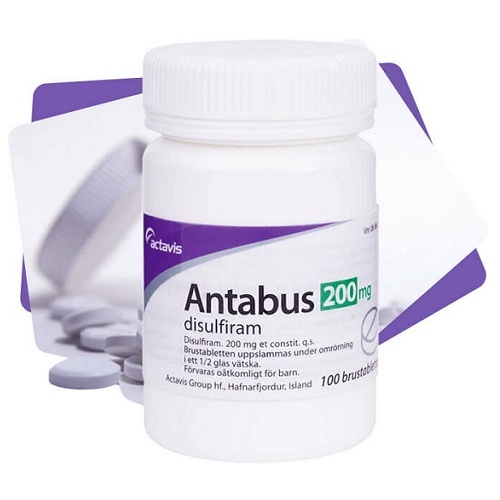
Can Antabuse Be Obtained Without a Prescription in the United Kingdom?
No, Antabuse (Disulfiram) cannot be obtained without a prescription in the United Kingdom. It is classified as a prescription-only medicine (POM) by the Medicines and Healthcare products Regulatory Agency (MHRA). Any sale or supply without a valid UK prescription is illegal and endangers your health.
Summary: Key Facts About Antabuse in the United Kingdom
- Active Ingredient: Disulfiram
- Primary Use: Treatment of alcohol dependence
- Prescription Status: Prescription-only (POM) in the UK
- Key Action: Blocks metabolism of alcohol, causing severe reactions if alcohol is consumed
- Main Contraindication: Absolute ban in severe heart/liver disease, pregnancy, and with certain medications (see below)
- Manufacturer: Multiple generics available; original brand Antabuse by Accord-UK Ltd and others
- Availability: Through NHS and registered private UK pharmacies only with a prescription
How Does Antabuse Work to Treat Alcohol Dependence?
- Scientific Mechanism (Pharmacology)
-
Antabuse’s active ingredient, Disulfiram, irreversibly inhibits the enzyme aldehyde dehydrogenase (ALDH) in the liver. When a person drinks alcohol, ethanol is converted into acetaldehyde, a toxic compound. Normally, ALDH metabolises acetaldehyde quickly into harmless acetic acid. By blocking ALDH, Disulfiram causes acetaldehyde to accumulate, leading to unpleasant reactions: facial flushing, severe headache, nausea, vomiting, palpitations, and potentially dangerous drops in blood pressure.
- Trigger Required
-
Disulfiram has no effect unless alcohol is consumed. Its therapeutic value lies in the deterrent effect: the expectation of severe symptoms deters alcohol consumption.
- Simplified Metaphor
-
Think of Antabuse as a “biochemical tripwire.” If alcohol enters the system, the tripwire snaps—resulting in highly unpleasant effects.
- Clinical Evidence
-
A 2023 Cochrane review ([Cochrane 2023]) found Disulfiram to be effective in increasing abstinence when adherence is maintained and when combined with psychosocial support.
Myth vs Reality
Myth: Antabuse cures alcohol dependence directly.
Reality: It is a deterrent tool—a support for abstinence, not a cure or removal of cravings.
How Should Antabuse Be Taken? Dosage, Timing, Duration
| Parameter | Standard Regimen (Adults) | Comments |
|---|---|---|
| Initial dose | 200–500 mg once daily for 1–2 weeks | Start after at least 24 hours alcohol-free |
| Maintenance dose | 100–200 mg daily | Dose adjusted by prescriber; lowest effective dose preferred |
| Maximum daily dose | 500 mg | Do not exceed |
| How to take | With or after food in the morning | Improves absorption and reduces stomach upset |
| Duration | 3 months to 1 year or more | Regular review required |
Tablets can be split or crushed if needed, but always confirm with your pharmacist, as some formulations differ. For elderly, those with liver or kidney impairment, or other medical conditions, the dose may be reduced. Always follow your prescriber’s instructions.
Never attempt to “test” the reaction by drinking alcohol while on Antabuse. Severe reactions may be life-threatening.
Antabuse, Food, and Lifestyle: What You Need to Know
- Alcohol
-
Strictly avoid all alcohol, including hidden sources (cooking wine, sauces, mouthwashes, some medicines). Even small amounts may trigger a reaction.
- Food
-
Foods do not significantly affect Disulfiram’s action, though taking with food may ease stomach discomfort.
- Fatty Meals
-
No clinically relevant delay in onset reported with fatty meals.
- Other Substances
-
Grapefruit juice: No significant interaction reported.
- Non-drink items
-
Products such as aftershave, perfumes, some topical medicines, and certain foods may contain alcohol. Always check labels and ask your pharmacist if unsure.
- Driving and Machinery
-
Caution: Drowsiness and cognitive effects are possible. Do not drive or operate machinery until you know how Antabuse affects you.
Antabuse Compatibility Check: Medicines, Food, Alcohol
| Product / Substance | Can Be Used With Antabuse? | Consequences / Notes |
|---|---|---|
| Alcohol (all types) | No | Severe reaction, potentially life-threatening |
| Metronidazole / Tinidazole | No | Risk of psychotic reactions |
| Phenytoin / Anticonvulsants | Caution | May increase side effects—monitor levels |
| Warfarin | Caution | May enhance anticoagulant effect |
| Paracetamol, Ibuprofen | Yes | No significant interaction |
| Grapefruit juice | Yes | No significant interaction |
| Nitrates (heart medicines) | No | Risk of dangerous blood pressure drop |
Who Must Not Take Antabuse? Contraindications and Precautions
- Absolute Contraindications (Never Use)
-
- Severe hepatic impairment or liver failure
- Recent myocardial infarction (heart attack) or severe coronary artery disease
- Psychosis or history of severe mental illness
- Hypersensitivity to Disulfiram or excipients
- Pregnancy and breastfeeding
- Concomitant use with Metronidazole or related drugs
- Relative Contraindications (Caution, Specialist Decision)
-
- Moderate liver or kidney impairment
- Epilepsy or seizure history
- Diabetes mellitus
- Respiratory disorders (e.g., asthma, COPD)
- Elderly patients
- Explanation:
-
Antabuse can worsen liver injury, precipitate psychosis, interact with heart medications, and provoke severe hypoglycaemia in diabetics if not carefully monitored. Absolute and relative contraindications are determined by risk–benefit evaluation.
What Side Effects Are Most Common with Antabuse?
| Frequency Category | Side Effect | Mechanism/Comment |
|---|---|---|
| Very common (>1/10) | Headache, fatigue, drowsiness | Central nervous system effect |
| Common (>1/100 to <1/10) | Metallic or garlic-like taste, skin rash, acne | Idiosyncratic or immunological |
| Uncommon (>1/1000 to <1/100) | Peripheral neuropathy (numbness, tingling) | Dose-related nerve effect |
| Rare (<1/1000) | Severe hepatitis, psychosis, optic neuritis | Liver or CNS toxicity |
If you notice yellowing of the skin/eyes, dark urine, severe abdominal pain, confusion, visual changes, or signs of an allergic reaction, stop taking Antabuse and seek urgent medical attention.
How Does Antabuse Compare to Other Alcohol Dependence Treatments?
| Medication | Mechanism | Onset | Duration | Key Side Effects | Prescription Required? | Approx. NHS cost/month* (2024) |
|---|---|---|---|---|---|---|
| Antabuse (Disulfiram) | Aldehyde dehydrogenase inhibitor (deterrent) | Within hours | 1–2 weeks after last dose | Rash, drowsiness, liver issues | Yes | £15–£30 |
| Acamprosate | Modulates glutamate/GABA (reduces craving) | Days–weeks | Duration of therapy | Diarrhoea, GI upset, itching | Yes | £40–£60 |
| Naltrexone | Opioid receptor antagonist (reduces pleasure of drinking) | Within days | Duration of therapy | Nausea, anxiety, liver issues | Yes | £40–£80 |
*NHS costs may vary by region and prescription scheme. Acamprosate and Naltrexone target cravings; Antabuse is a deterrent. All are most effective when integrated with behavioural and psychosocial support.
Pharmacokinetics: How is Antabuse Metabolised and Eliminated?
After oral administration, Disulfiram is absorbed in the gut and rapidly metabolised in the liver—primarily by reduction to diethyldithiocarbamate and other metabolites. The onset of action typically occurs within 12 hours and can last up to 1–2 weeks after discontinuation. Its half-life is variable (up to 60–120 hours), partly due to tissue storage. Excretion is mainly through the kidneys, with a portion via the lungs (exhaled as carbon disulphide, causing a possible garlic-like breath).
Implications: Patients with liver or kidney impairment require special monitoring. Because it remains active for days after stopping, accidental alcohol exposure may still trigger a reaction.
Is Antabuse Safe for Specific Patient Groups?
- Elderly: May be more sensitive to CNS and hepatic effects; often require lower doses.
- Pregnancy: Contraindicated—risk of embryo–foetal toxicity.
- Breastfeeding: Contraindicated—Disulfiram and metabolites may pass into breast milk.
- Liver/Kidney Disease: Dose adjustments or avoidance required—risk of accumulation and toxicity.
- Mental Health Disorders: May exacerbate psychosis, depression, or suicidality—use with extreme caution and specialist input.
- Diabetes: Risk of hypoglycaemia—monitor closely.
Driving: Possible drowsiness, confusion, or visual disturbances—do not drive or operate heavy machinery if affected.
Fertility: No evidence for direct effects on fertility; however, safety in conception is not established—discuss with your prescriber if planning a family.
Quality, Generics, and Counterfeit Risk: How to Check Your Antabuse
- Original Packaging: NHS and UK-licensed pharmacy-supplied Antabuse should arrive in sealed blister packs with the manufacturer’s logo, batch number, expiry date, and a clear patient leaflet in English.
- Security Features: Look for holograms, QR codes, or security labels where present. Most UK packs will have a 2D data matrix or barcode.
- Appearance: Tablets are usually white, round, may be scored, often stamped with manufacturer’s code (e.g., “DIS” or “DSF”).
- Unusually low price: May indicate counterfeits or unauthorised imports—avoid unlicensed online suppliers.
- Generic Disulfiram: Available in the UK and strictly regulated. Generics are equivalent in efficacy, safety, and strength but may contain different inactive ingredients (excipients); always check for known allergies.
- Counterfeit risk: High from websites not requiring a prescription. Risks include ineffective ingredients, unpredictable side effects, and legal consequences.
If in doubt—contact your pharmacy or prescriber before taking any medication you suspect may be counterfeit or unlicensed.
How to Obtain Antabuse Legally in the UK: Step-by-Step Guide
- Consult a GP or Addiction Specialist: Book an appointment with your NHS GP, private GP, or a specialist addiction service (e.g., in London, Manchester, Edinburgh).
- Medical Assessment: The doctor will review your medical history, perform any necessary blood tests, and confirm if Antabuse is appropriate for you.
- Prescription Issued: If suitable, you will receive a prescription—either paper or electronic.
- Choose a Registered Pharmacy: Take your prescription to any NHS or private registered pharmacy. Alternatively, use a licensed UK online pharmacy (look for the green cross or the GPhC logo, and always confirm registration via the General Pharmaceutical Council pharmacy register).
- Pharmacist Counselling: The pharmacist will provide advice on use, potential side effects, and answer any questions.
- Telemedicine Option: Many UK telehealth providers can arrange assessment and remote prescribing. Avoid overseas or unregulated sites.
Buying Antabuse without a prescription or from unlicensed sources is illegal and unsafe in the UK. Always use regulated, trusted channels for your safety.
If You Take Too Much Antabuse: Emergency Steps
- Stop taking Antabuse immediately.
- Call 999 (emergency services) or NHS 111 straight away.
- Give them precise details: the amount taken, time of ingestion, and any symptoms (e.g., drowsiness, confusion, unsteady gait, vomiting, chest pain).
- If possible, bring the medication packaging to hospital or hand it to paramedics.
- Do not wait for symptoms to appear—prompt treatment is essential.
Psychological Support: You Are Not Alone
Alcohol dependence is a common and treatable medical condition in the UK. Many people feel shame or fear about seeking help—but you are not alone, and recovery is possible. Medication, such as Antabuse, works best when combined with ongoing psychological and social support. Consider discussing your treatment openly with trusted friends, family, or support groups. Local NHS services, as well as organisations like Alcoholics Anonymous UK, offer free, confidential support.
Frequently Asked Questions About Antabuse in the UK
- Can Antabuse be used daily?
- Yes, Antabuse is typically taken once daily, but always follow the dosing schedule set by your doctor.
- Is Antabuse available on the NHS?
- Yes, Antabuse (Disulfiram) is available via NHS prescription after clinical assessment and subject to local guidelines.
- How long after stopping Antabuse can I safely drink alcohol?
- It is generally advised to avoid alcohol for at least 2 weeks after the last dose, as the deterrent effect persists.
- What happens if I drink alcohol while taking Antabuse?
- Severe reactions can occur, including flushing, vomiting, heart palpitations, and dangerously low blood pressure—these can be life-threatening.
- Are there alternatives to Antabuse?
- Yes, Acamprosate and Naltrexone are alternative medications for alcohol dependence—speak to your specialist to decide which is best for you.
- Is it safe to buy Antabuse online?
- Only from UK-registered pharmacies with a prescription. Buying from unregulated sites is illegal and risky.
- Can Antabuse be used in pregnancy?
- No, Antabuse is contraindicated in pregnancy and breastfeeding.
- What should I do if I miss a dose?
- Take your next dose at the usual time—do not double up. If unsure, ask your pharmacist.
- Are generics as effective as branded Antabuse?
- Yes, UK-approved generics contain the same active ingredient and are held to the same efficacy and safety standards as the original.
References
- Cochrane Alcohol and Drug Group. “Disulfiram for the treatment of alcohol dependence.” Cochrane Database Syst Rev. 2023. Read
- Medicines and Healthcare products Regulatory Agency (MHRA). “Disulfiram – Summary of Product Characteristics.” 2024. Read
- National Institute for Health and Care Excellence (NICE). “Alcohol-use disorders: diagnosis, assessment and management of harmful drinking and alcohol dependence” (NICE CG115). 2024. Read
- BMA/NHS Business Services Authority. “Prescription cost analysis: England 2024.” Read
- Alcoholics Anonymous UK. “Find local support.” 2024. Read