
- Home/
- Buy Zithromax Online in the United Kingdom Safely and Easily
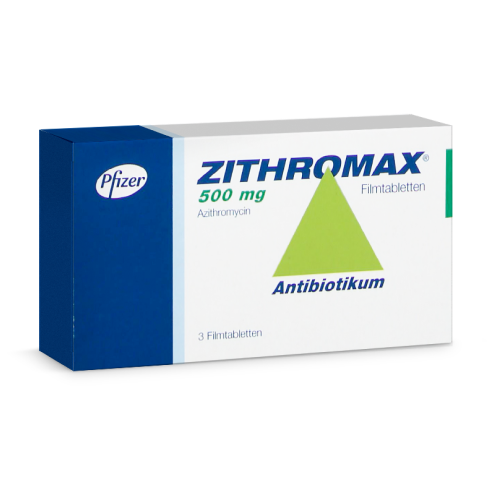
| Brand Name | Zithromax |
|---|---|
| Main Substance | Azithromycin |
| Therapeutic Use | Antibacterial treatment (Antibiotic) |
| Strengths Provided | 250 mg, 500 mg tablets; oral suspension (various) |
| How Long Before It Works? | Typically 1–3 days to symptom improvement |
| Effect Persistence | Up to 5–7 days after last dose |
| How It’s Taken | Once daily for 3–5 days (standard regimens) |
| Food Considerations | Can be taken with or without meals |
| Is a Prescription Needed? | Yes, required in the UK |
Zithromax: Comprehensive Guidance for the United Kingdom
Zithromax is a prescription-only antibiotic widely used in the UK to treat bacterial infections such as chest infections, sinusitis, and some sexually transmitted infections. Its active ingredient, Azithromycin, is authorised by the Medicines and Healthcare products Regulatory Agency (MHRA) and is legally available through registered UK pharmacies. Understanding if and when this treatment is appropriate for you—and how to use it safely—is crucial for effective recovery.
Understanding Your Symptoms: Bacterial Infections in Everyday Life
Experiencing symptoms like fever, sore throat, persistent cough, sinus pain, or unusual discharge can signal a bacterial infection requiring medical attention. According to Public Health England, 2022, respiratory tract infections are among the most common reasons for antibiotic prescriptions, with millions affected annually. You are not alone—bacterial infections are a routine challenge for GPs and patients alike. The good news: with the right diagnosis and appropriate antibiotic, most people make a full recovery. Recognising that your illness is common and treatable is the first step towards regaining control.
How Zithromax Targets Infections: The Underlying Mechanism
Zithromax works by interrupting the way bacteria generate vital proteins needed to multiply and survive. Specifically, Azithromycin binds to bacterial ribosomes—cellular machinery used for protein synthesis—so the bacteria can no longer reproduce and ultimately die off. For you, this means the infection’s symptoms (such as pain, swelling, or discharge) should start to improve within a few days of starting the medication, even though the full course still needs to be completed to clear the infection entirely. This mechanism is especially effective against common respiratory, ear, skin, and some sexually transmitted bacterial infections, but does not work on viruses like cold or flu.
Choosing the Right Approach: When Zithromax Fits—and When It Doesn’t
| Situation | Recommended Option | Reasoning |
|---|---|---|
| You have been diagnosed with a chest infection (e.g., bronchitis or pneumonia) by your GP | Zithromax is often prescribed | Because Azithromycin covers the typical bacteria responsible for these infections and is well tolerated |
| You have a history of severe allergic reactions to macrolide antibiotics (e.g., Erythromycin) | Not suitable | Risk of cross-allergy—an alternative antibiotic should be selected |
| You are being treated for chlamydia or non-gonococcal urethritis | Zithromax is a first-line choice | Because single-dose Azithromycin is clinically effective and convenient for these infections |
| You have a viral infection (e.g., the common cold) or mild sore throat without bacterial confirmation | Not recommended | Antibiotics like Zithromax do not treat viruses and unnecessary use can lead to resistance |
| You have significant liver problems or are taking certain heart rhythm medications | Use with caution only if specifically advised by your doctor | Zithromax can affect liver function and interact with medications that influence heart rhythm |
Always discuss your full medical history and current medications with your prescriber to ensure Azithromycin is the right option for your situation.
Using Zithromax in Real Life: What to Expect and What to Watch For
- When to take it: Take Zithromax at approximately the same time each day. If you are prescribed a single dose for an STI, take as instructed.
- With or without food? Zithromax can be taken with meals or on an empty stomach. Taking it with food may reduce stomach upset for some people.
- Missed a dose? If you miss a dose and it’s less than 12 hours late, take it as soon as you remember. If it’s nearly time for your next dose, skip the missed one—do not double up.
- Do not stop early: Complete the prescribed course even if you feel better. Stopping too soon can allow the infection to return or bacteria to become resistant.
- No improvement after 3 days? Contact your GP—resistant bacteria, a different infection, or incorrect diagnosis could be the cause.
- Unusual symptoms? For severe rash, swelling, breathing difficulty, or severe diarrhoea, seek immediate medical help.
- Alcohol? Moderate alcohol is unlikely to interfere, but heavy consumption can slow recovery.
- Driving and machinery: Zithromax is unlikely to affect your ability, but if you feel dizzy or unwell, do not drive.
The practical aim: take Zithromax as prescribed, don’t skip doses, and alert your healthcare provider promptly if you notice anything worrying or if there’s no clear improvement.
Who Should Not Take Zithromax? (Contraindications Explained)
- Allergy to Azithromycin or other macrolides: Taking Zithromax in this situation could provoke a severe allergic reaction (anaphylaxis), which may be life-threatening.
- Serious liver disease: Because Azithromycin is processed by the liver, those with significant liver impairment are at increased risk of adverse effects, including further liver damage.
- History of abnormal heart rhythms (QT prolongation): Zithromax can lengthen the QT interval, raising the risk of dangerous heart arrhythmias, especially with other medications affecting the heart.
Always inform your prescriber about any previous drug allergies and existing serious illnesses—especially involving the heart or liver—before starting Zithromax.
What Side Effects Could Occur—and What Should I Do?
- Common and usually mild: Nausea, diarrhoea, stomach pain, headache. These often resolve on their own; staying hydrated and taking Zithromax with food may help.
- Occasional: Dizziness, changes in taste, mild skin rash. If persistent or bothersome, consult your GP.
- Rare but serious: Severe allergic reaction (swelling, breathing difficulty, collapse), severe diarrhoea with blood or mucus, yellowing of skin or eyes (jaundice), or irregular heartbeat. These require immediate medical attention—call the NHS emergency number 999 if you experience any of these reactions.
While most side effects are self-limiting, do not hesitate to seek help if you are concerned. Prompt recognition of severe reactions can be lifesaving.
Can Zithromax Be Taken With Other Medicines?
- Antacids (for indigestion): May reduce Azithromycin absorption—take them at least two hours apart.
- Warfarin or blood thinners: Zithromax may potentiate the effect; blood tests and monitoring may be required.
- Certain heart medications (e.g., amiodarone): Increased risk of abnormal heartbeat—consult your GP or pharmacist before combining.
- Other antibiotics: Avoid doubling up unless specifically advised.
Always give your doctor or pharmacist a complete list of your current medications (including over-the-counter and herbal supplements) to ensure there are no dangerous interactions.
How Does Zithromax Compare? Alternatives and When to Consider Them
| Antibiotic | Strengths | Limitations | When Preferred |
|---|---|---|---|
| Zithromax (Azithromycin) | Short course, convenient dosing, effective for respiratory, STI, skin infections | Not suitable for all bacteria; risk of resistance if misused; caution with heart/liver disease | When once-daily or single-dose therapy is important; macrolide-sensitive infections |
| Amoxicillin | Well tolerated, broad spectrum, widely used | Not effective against some atypical bacteria; allergies common | First-line for many respiratory and ear infections, unless allergy or resistance |
| Doxycycline | Effective for chest infections, some STIs, tick-borne diseases | Can cause sun sensitivity, not suitable during pregnancy or for children under 12 | Where alternative needed due to allergy or for specific infections |
| Clarithromycin | Similar to Azithromycin, alternative macrolide | More frequent dosing, potential for more interactions | If Azithromycin not tolerated, or per bacterial sensitivity |
No antibiotic is universally “best.” Zithromax stands out for its convenience and effectiveness in specific cases, but your doctor may select another option based on the infection type, your medical history, and known resistance patterns. Where Azithromycin is not appropriate, equally effective alternatives exist.
From Prescription to Treatment: What You’ll Actually Pay in the UK
| Cost item | Amount | Note |
|---|---|---|
| Doctor consultation (private) | £50–£100 | GP surgery or online telemedicine if not NHS |
| Prescription fee (NHS) | £9.65 per item | Current NHS prescription charge in England |
| Zithromax (7 tablets, 250/500 mg) | £6–£25 | Varies by pharmacy and dosage |
| Home delivery | £0–£5 | Free from some online pharmacies, or collected in person |
| Total | £9.65–£130 | NHS prescription only (low) or private GP and express delivery (high) |
Zithromax is available through both NHS and private providers in the UK. The cost to you depends on whether you access it via your GP or a private online service. NHS patients pay a standard prescription fee; private consultations may add to the overall cost. Medication prices can vary, so checking with your chosen pharmacy or online provider is advised. Always ensure you use a pharmacy registered with the General Pharmaceutical Council for safety and legal compliance.
What If I’m Worried About Antibiotic Resistance or Repeat Infections?
Antibiotic resistance is a growing concern in the UK, as highlighted by the UK Health Security Agency in 2023. Using antibiotics like Zithromax only when prescribed, finishing the course, and not sharing medication are key steps you can take to help prevent resistance. If you notice recurring infections or your symptoms return after treatment, discuss this with your doctor—sometimes a different antibiotic or further investigation may be needed. You can help safeguard the effectiveness of antibiotics for yourself and others by following these principles.