
- Home/
- Buy Propecia at Low Price in United Kingdom Online
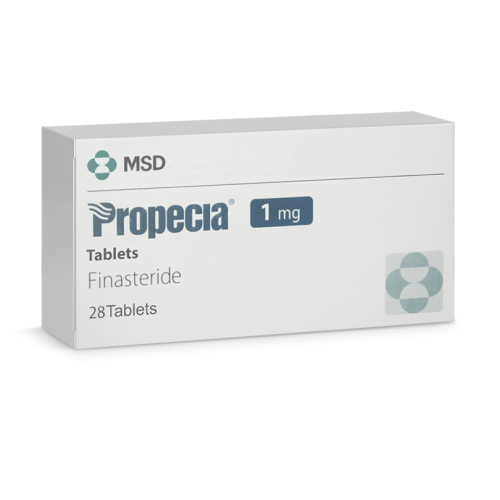
Propecia (Finasteride) in the United Kingdom: Comprehensive Guide for Safe Hair Loss Treatment
Summary: Propecia Key Facts
- Active ingredient: Finasteride (1 mg)
- Main indication: Male pattern hair loss (androgenetic alopecia) in adult men
- Prescription status in the UK: Prescription-only. It is illegal and unsafe to obtain without a valid prescription from a registered UK doctor.
- Onset of effect: Noticeable results typically appear after 3–6 months of daily use
- Main contraindication: Strictly not for use in women or children; avoid in pregnancy (risk of fetal harm)
- Availability: Original (“Propecia”) and generic (Finasteride 1 mg) tablets are both available in UK pharmacies
- Cost (2026): Generic Finasteride is usually less expensive than brand-name Propecia; prices vary but typical monthly cost ranges £15–£50
Can You Obtain Propecia Without a Prescription in the UK?
No, it is not legal to buy Propecia (Finasteride 1 mg) without a prescription in the United Kingdom. The Medicines and Healthcare products Regulatory Agency (MHRA) classifies Propecia as a prescription-only medicine. This rule applies equally to in-person and online pharmacies, and includes all forms of Finasteride 1 mg for hair loss. Acquiring it from unregulated sources can lead to counterfeit medication, health risks, and legal consequences.
How Does Propecia Work? Mechanism of Action Explained
Propecia’s active ingredient, Finasteride, is a Type II 5-alpha reductase inhibitor. This means it blocks the action of the 5-alpha reductase enzyme, which converts testosterone into dihydrotestosterone (DHT) – a hormone that shrinks hair follicles and is a major contributor to male pattern baldness.
- Biochemical Pathway:
- Finasteride selectively inhibits the Type II isoform of 5α-reductase. This leads to a decrease in scalp and serum DHT levels by up to 60–70%, resulting in slower hair loss and increased hair regrowth in susceptible individuals. (Source)
- Targeted Area:
- Mainly hair follicles in the scalp, especially the vertex (top) and anterior mid-scalp area.
Metaphor: Imagine DHT as a signal that tells certain hair roots to shrink and stop growing. Propecia “turns down the volume” of that signal, giving hair a better environment to thrive. However, it does not cure baldness or work instantly – ongoing daily use is required to maintain the effect.
How to Take Propecia: Dosage, Duration, and Administration
| Parameter | Recommendation |
|---|---|
| Initial dose | 1 mg by mouth, once daily (do not exceed this dose) |
| Tablet splitting | Not recommended: 1 mg tablets are film-coated and should be swallowed whole (splitting may reduce efficacy or cause skin exposure) |
| Timing | With or without food; pick a time and stick to it for consistency |
| Duration until effect | Clinical improvement usually after 3–6 months. Continued use required to sustain benefit. |
| Missed dose | Take as soon as remembered, unless it’s almost time for next dose. Do not double up. |
| Maximum daily dose | 1 mg. Higher doses do not improve hair regrowth for androgenetic alopecia and may increase risk of side effects. |
For men over 65 or those with mild kidney/liver impairment, no routine dose adjustment is recommended. However, discuss with your prescriber if you have significant comorbidities.
Key point: Discontinuing Propecia leads to reversal of effect within 9–12 months, and lost hair may not regrow.
Propecia and Food, Alcohol, and Lifestyle Compatibility
- Food interactions
- No clinically significant effect. Propecia may be taken with or without meals.
- Alcohol
- No direct pharmacological interaction. However, alcohol misuse may worsen underlying hair loss or interact with other medications.
- Grapefruit juice
- No reported interaction with finasteride; safe to consume in moderation.
- Supplements
- No known interactions, but always mention to your doctor any supplements, especially if using saw palmetto or other herbal remedies targeting hair loss.
| Product Type | Can it be combined? | Possible Consequences |
|---|---|---|
| Aspirin/paracetamol | Yes | No significant interaction |
| Minoxidil (topical) | Yes | May be used together for an additive effect |
| Warfarin | Yes, with monitoring | Rare case reports of mild changes in effect; discuss with prescriber |
| Testosterone or anabolic steroids | Yes, but may antagonise Propecia effect | May increase DHT, reducing Propecia efficacy |
| Herbal “hair-loss” remedies | Use caution | Potential for unknown interactions |
Bottom line: Propecia is generally flexible, but always check with your prescriber about any new medication or supplement.
Absolute and Relative Contraindications for Propecia
- Absolute contraindications
- Women, especially those who are or may become pregnant (risk of birth defects).
- Children and adolescents (safety and efficacy not established).
- Known hypersensitivity to finasteride or any tablet component (e.g., severe allergic reaction in the past).
- Relative (caution required):
- Liver impairment (finasteride is metabolised in the liver; discuss with your specialist).
- History of prostate cancer (Finasteride may alter PSA test results and possibly mask certain types of prostate cancer).
- Men with “high-grade” prostatic intraepithelial neoplasia (consult your urologist).
Why? Finasteride can interfere with hormone balance, and even skin contact with crushed tablets may cause fetal harm in pregnant women.
What Side Effects Are Most Common With Propecia?
| Frequency | Side Effects |
|---|---|
| Very common (>1 in 10) |
|
| Common (1 in 100 to 1 in 10) |
|
| Uncommon (1 in 1,000 to 1 in 100) |
|
| Rare (<1 in 1,000) |
|
| Very rare |
|
In most cases, side effects resolve after stopping the medicine. However, a minority of men (Post-Finasteride Syndrome – not universally recognised but under investigation) may experience persistent symptoms. If you develop any breast changes, lumps, or mood disturbances, contact your GP immediately.
What to do if you develop side effects? Stop taking the medication and consult your doctor or pharmacist. If you suspect an allergic reaction (swelling, difficulty breathing), seek urgent medical attention.
Pharmacokinetics: How Propecia Is Absorbed, Metabolised, and Eliminated
After swallowing a Propecia tablet, peak blood levels are usually reached within 1–2 hours. The drug is extensively metabolised in the liver via the cytochrome P450 (CYP3A4) system. Its metabolites are excreted mainly in the urine (39%) and faeces (57%).
- Half-life (T1/2): Around 4.8–7.1 hours in adult men, but may be longer in older individuals.
- Steady state: Achieved after 3 days of daily dosing.
- Accumulation: No significant accumulation with regular use in healthy men.
For those with significant liver impairment, metabolism may be slower – discuss with your prescriber.
Myth vs Reality: “Propecia acts only on the scalp.” Reality: Its effect is systemic, but it specifically reduces DHT in scalp skin where hair follicles are sensitive.
Important Advice for Special Patient Groups
- Older adults:
- No dose adjustment routinely needed, but monitor for side effects. Efficacy is similar to younger adults.
- Men planning to father a child:
- Finasteride may reduce sperm count and quality. Effects are reversible, but consider stopping 3–6 months before trying to conceive.
- Men with liver disease:
- Discuss with your doctor. Finasteride is processed in the liver and may accumulate if liver function is poor.
- Ability to drive or operate machinery:
- Finasteride does not affect alertness or coordination.
- Women and children:
- Not for use – see absolute contraindications above.
Propecia Compared to Alternatives: Table and Commentary
| Parameter | Propecia (Finasteride 1 mg) | Minoxidil (topical) | Dutasteride (off-label) |
|---|---|---|---|
| Mechanism | Type II 5α-reductase inhibitor (blocks DHT) | Vasodilator (improves blood supply to follicles) | Type I & II 5α-reductase inhibitor (broader DHT block) |
| Speed of results | 3–6 months | 2–4 months | 3–6 months (not licensed for hair loss in UK) |
| Mode of use | Oral tablet | Topical liquid or foam | Oral capsule |
| Prescription needed? | Yes | No (for 2%/5% OTC forms) | Yes (off-label) |
| Major side effects | Sexual dysfunction, mood changes | Scalp irritation, rarely systemic effects | Increased sexual side effects, potential risk in pregnancy |
| Price/month (2026) | £15–£50 (generic cheaper) | £10–£40 | £20–£60 (not routinely recommended) |
Expert commentary: Propecia is the most evidence-based oral treatment for male pattern hair loss. Minoxidil can be used at the same time. Dutasteride is more potent but not licensed for hair loss in the UK; its long-term safety for this use is less established.
Key Characteristics of Propecia: At a Glance
| Characteristic | Detail |
|---|---|
| Active ingredient | Finasteride |
| Strength | 1 mg |
| Formulation | Film-coated tablet |
| Legal status UK | Prescription-only (POM) |
| Pack size | 28, 30, 84, or 90 tablets (varies by pharmacy/brand) |
| Storage conditions | Keep below 25°C; protect from moisture |
| Original vs Generic | Both available; generics are more affordable and equally effective |
| Manufacturer (original) | Merck Sharp & Dohme Ltd. |
| UK regulator | MHRA (link) |
How to Legally Obtain Propecia in the UK: Step-by-Step
- Consult a qualified medical professional
- Book a face-to-face or online (telemedicine) appointment with a General Practitioner (GP) or a hair loss specialist (dermatologist, trichologist).
- NHS GPs rarely prescribe for cosmetic hair loss; private clinics or dermatologists may be more suitable in big cities like London, Manchester, Birmingham, or Glasgow.
- Assessment and diagnosis
- Your doctor will assess your hair pattern, medical history, and discuss risks, benefits, and alternatives.
- Prescription
- If appropriate, a prescription for Finasteride 1 mg (Propecia or generic) will be issued.
- Repeat prescriptions may be possible after an initial review.
- Pharmacy fulfilment
- Present your prescription at a registered UK pharmacy (community or online, such as GPhC-registered).
- For online orders, ensure the pharmacy is registered with the General Pharmaceutical Council (GPhC) and displays the official green cross logo.
- Collection or delivery
- Collect in person or arrange for secure, tracked home delivery. Delivery services must comply with UK law – your prescription will be verified before dispatch.
Important: If any online supplier does not require a prescription, it is likely illegal and the product may be counterfeit or unsafe. For help finding a UK-based hair loss specialist, ask your GP for a referral or consult the British Association of Dermatologists.
Spotting Counterfeits and Understanding Generics
Counterfeit Propecia is a real risk, especially from unregulated internet sources. Key differences between genuine and fake products include:
- Packaging: Genuine Propecia comes in a sealed, tamper-evident box with batch number, expiry date, and a leaflet in English approved by the MHRA.
- Tablet appearance: Original tablets are round, film-coated, branded with “PROPECIA” or “P” on one side and “MSD” on the other. Generics may have different markings but should match the description in the leaflet.
- Price: Unusually low prices are a warning sign of counterfeit or parallel imports.
- Verification: MHRA and GPhC-registered UK pharmacies always provide medicines with correct documentation and packaging. Look for the green cross logo and check the pharmacy on the GPhC register.
About generics: Generic Finasteride 1 mg tablets contain the same active ingredient and are required by law to meet the same safety and efficacy standards as Propecia. Inactive ingredients (“excipients”) may differ slightly, which can occasionally trigger allergies in sensitive individuals. Always check the Patient Information Leaflet if you have allergies to dyes or fillers.
If You Take Too Much: Overdose Instructions
- Stop taking Propecia immediately.
- Call NHS 111 (or 999 in case of severe symptoms) – be ready to state the dose and approximate time of overdose.
- Inform medical staff: Bring the medicine packaging with you, if possible. There is no specific antidote, but monitoring and supportive care will be provided if needed.
- Do not try to self-treat an overdose.
Tip: Large overdoses are rare and usually not life-threatening, but you may experience an increase in side effects.
Living With Hair Loss: Psychological Support and Professional Help
Experiencing hair loss can be distressing, but you’re not alone – millions of men in the UK face this challenge. Research shows that both biological and psychological factors contribute to hair loss and its impact. If you feel anxious or low about your hair, speak with your GP, confide in a partner, or consider professional counselling. Many find that combining medical treatment with psychological support leads to better outcomes.
Frequently Asked Questions (FAQ)
- Is Propecia available on the NHS in the UK?
- No, Propecia (Finasteride 1 mg for male pattern hair loss) is not routinely available on the NHS as it is considered a cosmetic treatment. Private prescription is usually required.
- How long do I need to take Propecia before seeing results?
- Most users start to see visible effects after 3–6 months of continuous daily use. Improvements plateau after about 12 months.
- Can Propecia cause permanent sexual side effects?
- Most side effects are reversible when the medication is stopped. However, a minority of men may experience persistent symptoms (post-finasteride syndrome); this is being studied further.
- Can I use Propecia and minoxidil together?
- Yes, they may be used at the same time for a potentially greater effect. There are no known negative interactions.
- Is it legal to buy Propecia online in the UK?
- Yes, but only from MHRA-registered, GPhC-regulated UK pharmacies with a valid prescription. Avoid any website that does not require a prescription.
- Does Propecia work for all types of hair loss?
- No, it is effective only for male pattern hair loss (androgenetic alopecia) and not for other causes like alopecia areata or telogen effluvium.
- Can women use Propecia?
- No, Propecia is not licensed for use in women, and it is strictly contraindicated in pregnancy due to the risk of birth defects.
References & Sources
- Medicines and Healthcare products Regulatory Agency (MHRA) – Propecia Summary of Product Characteristics (accessed 2026): https://www.medicines.org.uk/emc/product/113/smpc
- National Institute for Health and Care Excellence (NICE). “Finasteride for male pattern hair loss.” Clinical Knowledge Summaries. (2025 Update) https://cks.nice.org.uk/topics/alopecia-androgenetica-male/prescribing-information/finasteride/
- British Association of Dermatologists – Patient Information Leaflet: “Male Pattern Hair Loss” (2026) https://www.bad.org.uk/for-the-public/patient-information-leaflets/
- Trüeb RM, et al. “Current pathophysiology and therapy of androgenetic alopecia – evidence-based update from the year 2024.” J Eur Acad Dermatol Venereol. 2024;38(5):883-895. https://pubmed.ncbi.nlm.nih.gov/36095688/
- General Pharmaceutical Council (GPhC) – Pharmacy register (2026): https://www.pharmacyregulation.org/registers/pharmacy
- Sinha S, Schwartz RA. “Finasteride: Current status in androgenetic alopecia.” Indian J Dermatol. 2024;69(1):25-31. https://pubmed.ncbi.nlm.nih.gov/36721449/
- MHRA Counterfeit Medicines Campaign (accessed 2026): Counterfeit medicines guidance